 BETA
Person
Hongwu Emperor
1328–1398 · Emperor of the Ming · Ming
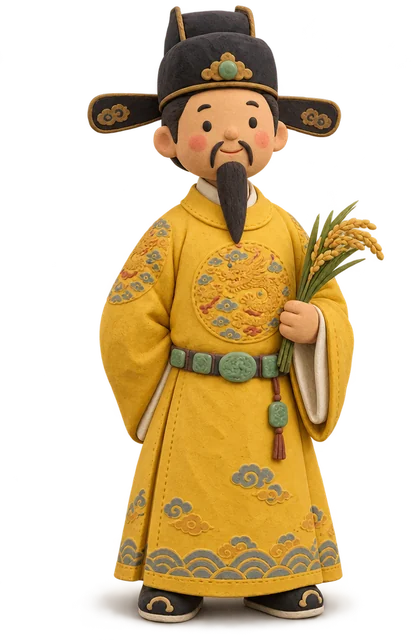
He went from a poor farmer to emperor and founded the Ming Dynasty.
He was born the son of a poor farmer and also lived as a monk. He joined a rebel army, built up his strength, and then founded the Ming. He also gave his opinion when the name of the country Joseon was chosen.
More detail
Under review
Zhu Yuanzhang was born in 1328 in a poor farming family in what is now Anhui Province. Around the age of sixteen he lost his parents and brothers to a great crop failure and plague, entered a temple as a monk, and wandered begging for food.
In 1352 he joined the Red Turban bands and made his name through outstanding command. In 1356 he took Nanjing and made it his base, and defeated his rivals around the Yangtze, Chen Youliang and Zhang Shicheng, in turn.
In 1368 he became emperor, founded Ming and drove Yuan out to the Mongolian steppe. He set up the lijia system in every village to collect taxes and made a code of law called the Great Ming Code. He abolished the post of chancellor so that the emperor handled everything personally, and he dealt strictly with the meritorious officials, and many people were punished.
He is also deeply entangled with Korean history, through the Tieling Garrison question at the end of Goryeo and the early Joseon period and the decision of the state name 'Joseon'.
Life timeline
- 1368Becomes emperor
- 1352Joins the Red Turbans
- 1356Takes Nanjing
Related events
- 1368Founding of the Ming Dynasty
- 1371Ming Sea Ban and Tribute Trade
- 1380The Hu Weiyong Case and the Abolition of the Chancellor's Post
- 1381The Ming Lijia System and the Six Maxims
- 1387Notice of the Tieling Garrison and the Liaodong Campaign Debate