 BETA
Person
Wilhelm II
1859–1941 · German Emperor · German Empire
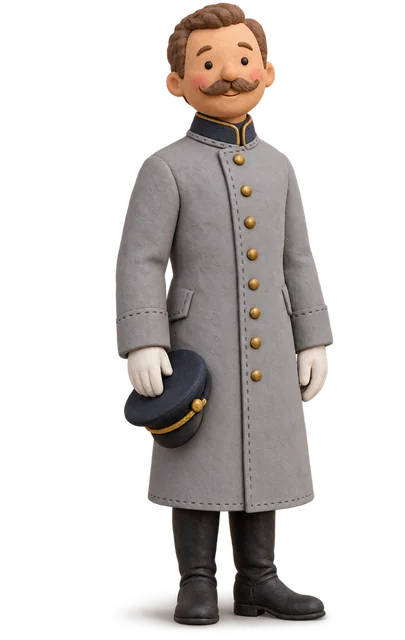
The last German Emperor, who forced Bismarck out and expanded the navy and colonies; he lost World War I and stepped down.
Wilhelm II was the last emperor of Germany. He built big warships and often clashed with other countries. When Germany lost World War I, he stepped down as emperor and left for the Netherlands.
More detail
Two sources checked
Wilhelm II was born in 1859 in Berlin, the eldest son of Frederick III. His left arm, injured at birth, troubled him all his life. In 1888 his father died after only 99 days on the throne, and he became emperor at age 29.
He wanted to lead the country himself and in 1890 he forced Bismarck out. Under a “world policy” he built a large navy, expanded colonies and promoted the Berlin–Baghdad railway. His rough words often caused diplomatic problems and drew the wariness of Britain, France and Russia.
When the First World War began in 1914 he sided with Austria, but during the war he handed actual command almost entirely to Hindenburg and Ludendorff.
When his abdication was announced in the November Revolution of 1918 he went into exile in the Netherlands, and he died at Doorn in 1941.
Life timeline
- 1888Became emperor
- 1919Settled in Doorn in the Netherlands
Related events
- 1890Bismarck's Dismissal and Wilhelm II's World Policy
- 1899The 3B Policy (Baghdad Railway)
- 1918November Revolution and the Emperor's Abdication