 BETA
Person
Cleopatra VII
69 BCE–30 BCE · Last queen of Egypt · Ptolemaic Dynasty
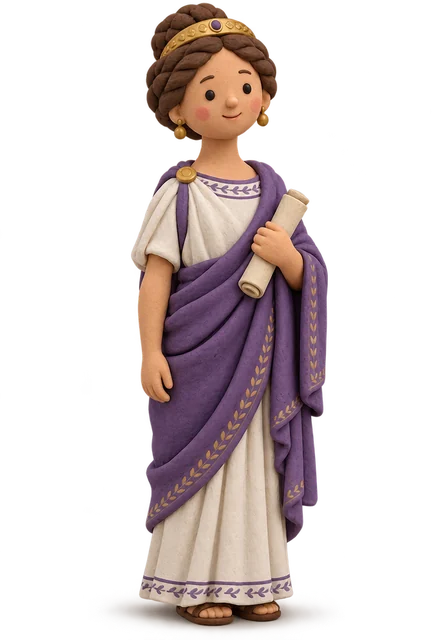
Cleopatra VII, the last queen of the Ptolemaic dynasty, ruled Egypt from 51 BCE and joined forces with Caesar and then Antony to try to keep her country independent. After losing the Battle of Actium, she took her own life on August 12, 30 BCE, and the Greek-descended dynasty that had lasted about 300 years came to an end.
Squeezed beside the great power of Rome, how did Egypt's queen try to protect her country? Cleopatra VII joined forces with Caesar, and later with Antony, to keep Egypt independent. But she lost the Battle of Actium and died in 30 BCE, and the dynasty that had lasted about 300 years ended. This is the story of a queen who struggled to protect her country among great powers.
More detail
Two sources checked
How did Egypt's queen try to protect her country, squeezed beside the great power of Rome? Cleopatra VII ruled Egypt from 51 to 30 BCE. She is said to have been born in December 70 BCE or January 69 BCE.
At that time Rome had powerful strongmen. Cleopatra first joined forces with Caesar and then with Antony, trying to keep her country independent. It is a bit like looking for a strong partner so that your own group can stand on its own among bigger groups. We cannot know the queen's true feelings, but the choices she made are what the records show.
But after she lost the Battle of Actium, her situation grew hard. On August 12, 30 BCE, she took her own life, and with that the Greek-descended dynasty that had lasted about 300 years came to an end.
A small country struggling to keep its own path among big ones is not unfamiliar even today. Cleopatra's story reminds us how hard that effort can be.
Related events
- 48 BCECaesar Steps In at Alexandria and Cleopatra Is Restored
- 48 BCEBernard Shaw's Caesar and Cleopatra
- 40 BCEShakespeare's Antony and Cleopatra
- 31 BCEBattle of Actium
- 30 BCECleopatra and the Death by Snake