 BETA
Person
John Locke
1632–1704 · Philosopher · Kingdom of England
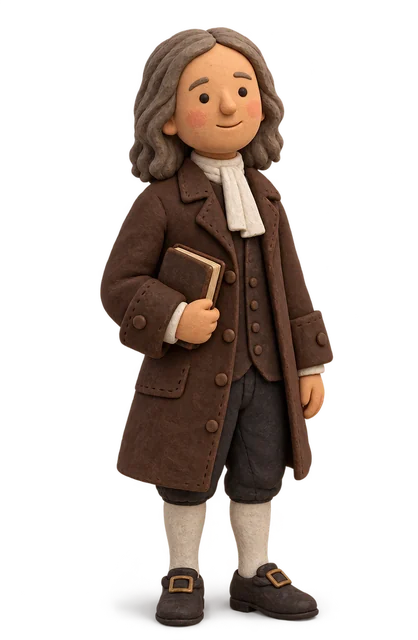
A philosopher who spoke of the people's rights and the right of resistance, and is called the 'father of liberalism.'
Locke was a philosopher who said that everyone has the right to protect their life, liberty and property. He said that if the state harms these rights, the people can change the state. He had a great influence on the American Declaration of Independence.
More detail
Two sources checked
John Locke was born in 1632 in Somerset and studied at Oxford, where he learned medicine and philosophy. He became the physician and adviser of the politician the Earl of Shaftesbury, and when the earl stood against the king, he fled to the Netherlands.
After the Glorious Revolution he returned and in 1689 published Two Treatises of Government and An Essay Concerning Human Understanding. He said that people have the rights to life, liberty and property from birth, and that if a government harms them, the people can change it. He also held that the human mind is at first like a 'blank slate' and builds up knowledge through experience.
He also argued for religious toleration. He died in 1704, and his ideas passed directly into the American Declaration of Independence.
Life timeline
- 1683Fled to the Netherlands
- 1689Returned to England