 BETA
Person
Abe Kobo
1924–1993 · Novelist and playwright · State of Japan
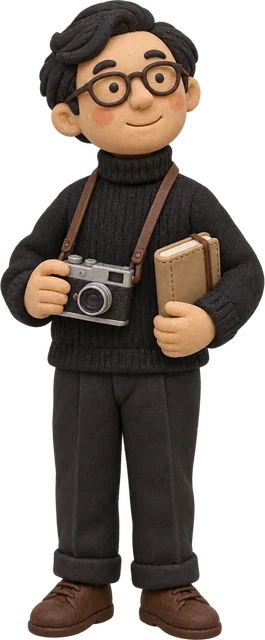
Abe Kobo grew up in Mukden in Manchukuo and was there when Japan was defeated. A novelist who won the Akutagawa Prize in 1951 for The Wall, he is read around the world for works such as The Woman in the Dunes (1962), which ask what a human being is in strange situations. He also led theater activities.
If the world you know suddenly disappeared, who would you be? Abe Kobo grew up in Manchuria and was there when Japan was defeated. In 1951 he won the Akutagawa Prize for The Wall. He became known worldwide in 1962 with The Woman in the Dunes and also led theater activities. His imagination, which doubts what is familiar, still raises new questions today.
More detail
Two sources checked
If the world you know suddenly vanishes, by what can a person recognize himself? Abe Kobo was born on March 7, 1924, in Tokyo. He spent his childhood in Mukden (now Shenyang) in Manchukuo and was there when Japan was defeated. This experience is judged to have left in his writing the feeling of a "person without a hometown."
He graduated from the Faculty of Medicine at the University of Tokyo in 1948, but in the same year he made his debut in the literary world with "Owarishi Michi no Shirube ni" (The Signpost at the End of the Road). In 1951 he received the Akutagawa Prize for "Kabe: S. Karuma-shi no Hanzai" (The Wall: The Crime of Mr. S. Karma), and he also received the Postwar Literature Prize for "Akai Mayu" (The Red Cocoon) (the year of the award is given as 1950 or 1951 depending on the source).
In 1962 he published "Suna no Onna" (The Woman in the Dunes), and grew greatly as a writer. The story of a man trapped in a village in a sand pit asks what choices people make in extreme circumstances. In 1973 he led his own theater group, the "Abe Kobo Studio."
In 1984 he published the novel "Hakobune Sakuramaru" (The Ark Sakura), which deals with the crisis of nuclear war and survival, and in 1991 "Kangaru Noto" (Kangaroo Notebook). He died of acute heart failure in January 1993 at the age of 68, and his posthumous work "I Am a Man" was later published as a book.
In today's terms, it is a story that asks "Who am I?" even when test scores or social media accounts disappear. His imagination, which doubts what is familiar, still raises new questions for readers.
Life timeline
- 1924Born in Tokyo
March 7. He spent his childhood in Mukden, Manchuria. - 1948Graduated from the Faculty of Medicine at the University of Tokyo
He made his debut in the same year with "Owarishi Michi no Shirube ni." - 1951Akutagawa Prize for "Kabe"
He also received the Postwar Literature Prize for "Akai Mayu." - 1962"Suna no Onna"
His best-known work. - 1973Theater group "Abe Kobo Studio"
He led its stage activities. - 1984"Hakobune Sakuramaru"
A novel dealing with the crisis of nuclear war and survival. - 1993Died
January 22, at the age of 68.