 BETA
Person
Emperor Go-Shirakawa
1127–1192 · 77th Emperor · Japan (Ritsuryō State)
Birth name: Masahito (雅仁)
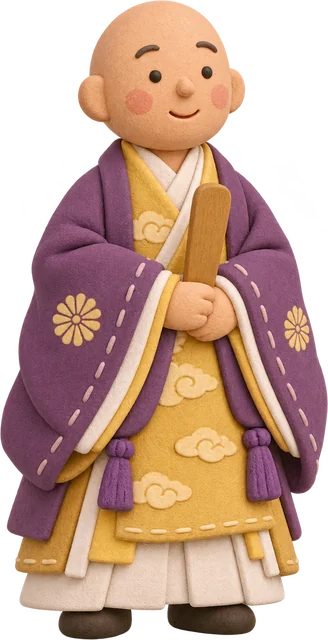
The retired emperor who met the age of the samurai
Emperor Go-Shirakawa ruled the country as a retired emperor for more than 30 years after stepping down. During that time, samurai such as the Taira and Minamoto families grew very powerful. In the year he died, Minamoto no Yoritomo became shogun.
More detail
Two sources checked
Emperor Go-Shirakawa was a son of Emperor Toba and took the throne in 1155, after his younger brother Emperor Konoe died, as the 77th sovereign.
In the Hogen Rebellion of 1156, in which he faced his older brother, Retired Emperor Sutoku, he won with the help of warriors such as Taira no Kiyomori and Minamoto no Yoshitomo. In 1158 he handed the throne to his son, Emperor Nijo, and became a retired emperor, carrying out insei for more than 30 years across the reigns of five emperors.
After the Heiji Rebellion of 1159, Taira no Kiyomori gained great power. Go-Shirakawa at first joined hands with Kiyomori but gradually came into conflict with him, and in 1179 he was confined by Kiyomori and insei came to a halt.
In 1180 the Genpei War began, along with a movement to restore insei. After the Taira family fell, he tried to protect the court's power by moving between Minamoto no Yoshitsune and Minamoto no Yoritomo. In 1185 he permitted Yoritomo to place shugo and jito in the provinces.
He loved imayo, the popular songs of the day, so much that he compiled a collection of songs, the 'Ryojin Hisho.' He died in 1192, and in that year Yoritomo became Seii Taishogun.
Life timeline
- 1155Took the throne
- 1156Won the Hogen Rebellion
- 1158Handed the throne to Emperor Nijo
- 1179Was confined by Taira no Kiyomori
- 1185Permitted the placing of shugo and jito