 BETA
Person
Emperor Shirakawa
1053–1129 · 72nd Emperor · Japan (Ritsuryō State)
Birth name: Sadahito (貞仁)
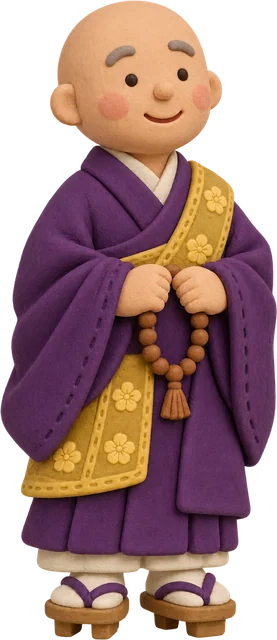
The emperor who began insei (rule by a retired emperor)
Emperor Shirakawa gave the throne to his son but kept ruling the country as a retired emperor. This is called insei. He kept samurai close to him, and the power of the samurai began to grow.
More detail
Two sources checked
Emperor Shirakawa was a son of Emperor Go-Sanjo and took the throne in December 1072 as the 72nd sovereign. Like his father, he ruled directly.
In 1086 he handed the throne to his eight-year-old son, Emperor Horikawa, and became a retired emperor (joko). Even after stepping down, however, he continued to rule the country from the 'in,' the retired emperor's residence. This is called 'insei' (rule by the retired emperor). Insei continued for 43 years across the reigns of three emperors, Horikawa, Toba, and Sutoku.
Retired Emperor Shirakawa kept warriors close to him by setting up the Hokumen no Bushi (Northern Guard), and this became a chance for warriors such as the Taira family to gain power in the capital. He was deeply devout, took the Buddhist vows and became a cloistered sovereign (hoo), and also built large temples such as Hosshoji.
He is said to have remarked that only 'the waters of the Kamo River, the dice, and the warrior-monks of Mount Hiei' were beyond his control. This means how strong his power was. He died in 1129.
Life timeline
- 1072Took the throne
- 1086Handed the throne to Emperor Horikawa and began insei
- 1096Took Buddhist vows and became a cloistered sovereign