 BETA
Person
Emperor Shomu
701 CE–756 CE · 45th Emperor · Japan (Ritsuryō State)
Birth name: Obito (首)
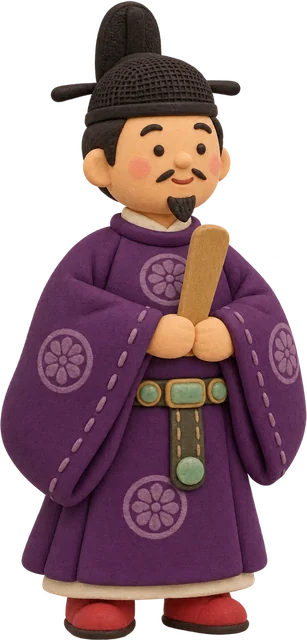
The emperor who had the Great Buddha of Todai-ji built
Emperor Shomu tried to protect the country with the power of Buddhism. He built kokubunji (provincial temples) in every province and had a huge Great Buddha made at Todai-ji. His belongings still survive at the Shosoin today.
More detail
Two sources checked
Emperor Shomu was the son of Emperor Monmu and the 45th emperor, who took the throne in 724. Both his mother and his consort (Empress Komyo) came from the Fujiwara family.
Many great hardships came during his reign. In 737 smallpox spread widely, and many people died, including the four Fujiwara brothers, and in 740 the rebellion of Fujiwara no Hirotsugu broke out in Kyushu. For the next few years Emperor Shomu moved the capital often, to Kuni-kyo, Shigaraki and Naniwa.
Emperor Shomu tried to bring peace to the country through the power of Buddhism. In 741 he ordered that provincial temples (kokubunji) and provincial nunneries be built in every province, and in 743 he issued an edict to make a huge Buddha statue. This Great Buddha was set up at Todai-ji in Nara, and the eye-opening ceremony was held in 752. In 743 he also issued the Konden Einen Shizai Law, which allowed newly cleared land to be held permanently.
He handed the throne to his daughter Empress Koken in 749 and died in 756. The objects he had treasured were dedicated to Todai-ji by Empress Komyo and remain today in the Shoso-in. The splendid culture of this age is called Tenpyo culture.
Life timeline
- 724 CETakes the throne
- 741 CEOrders provincial temples to be built
- 743 CEIssues the edict to make the Great Buddha
- 749 CEHands the throne to his daughter Empress Koken
Related events
- 729 CEThe Incident of Prince Nagaya: A Prince Falsely Accused
- 735 CEThe Tenpyo Smallpox Epidemic: The Plague That Struck Down the Four Fujiwara Brothers
- 740 CEFujiwara no Hirotsugu's Revolt: A Rebellion in Kyushu
- 741 CEEmperor Shomu's Order to Build Provincial Temples
- 743 CEThe Konden Eisei Shizai Law: Newly Cleared Land Is Yours Forever
- 743 CEMaking the Great Buddha of Todai-ji
- 753 CEGanjin Comes to Japan