 BETA
Person
Hojo Tokiyori
1227–1263 · 5th shikken (regent) of the Kamakura Shogunate · Kamakura Shogunate
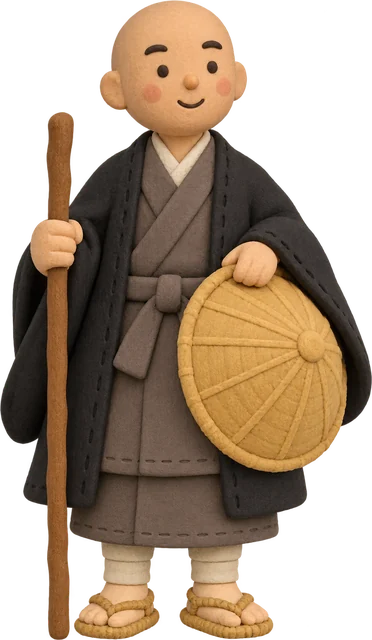
He was the 5th shikken (regent) who overthrew the Miura clan in the Battle of Hoji in 1247 and set up the Hikitsukeshu (a court board) to speed up trials. He kept real power even after entering religious life, and is also famous for the legend that he checked on the common people.
Why was a hard-working leader also called a dictator? Tokiyori brought down the rival Miura clan and made trials faster. He kept real power even after entering religious life, and the legend arose that he looked after the common people. He is a leader remembered for both his power and his stories.
More detail
Two sources checked
Where is the difference between a diligent leader and a dictator? Hojo Tokiyori became the fifth shikken in 1246, at around age 20. He immediately drove out the rival Nagoe clan and Shogun Yoritsune, and in 1247 he joined forces with the Adachi clan to bring down the Miura clan.
After the Battle of Hoji, Tokiyori firmly secured the Hojo family's power. He also set up the Hikitsukeshu (the Court of Appeals) to handle trials and speed up lawsuits, and worked to settle land disputes. He had an imperial prince, Prince Munetaka, brought from Kyoto to serve as shogun in place of Yoritsune's son, and did not hesitate to have the shogunate replace shoguns at will.
He was a deeply devout Buddhist, and he welcomed the Zen monk Lanxi Daolong from Song China to Kamakura and founded Kencho-ji. In 1256 he became a monk because of illness, but he kept real power in his hands. Because of this, a later legend spread that Tokiyori traveled the country in the guise of a monk to look into the people's hardships, and the Noh play "Hachinoki" tells this story too. Whether he actually made such travels is not certain.
In Tokiyori's time Kamakura Buddhism also spread widely. Nichiren submitted writings of criticism and monks such as Ippen traveled about spreading their teachings, but the shogunate kept close to Zen. He probably thought Zen helped govern the warriors' minds.
Tokiyori died in 1263. Both the judgment that he was dictatorial and the judgment that he looked after the people remain. It resembles how, when we talk about a "good leader" today, rules and stories come along together.
Life timeline
- 1246Became the fifth shikken
- 1246Expelled Shogun Yoritsune in the Palace Disturbance (Miya Sodo)
- 1247Destroyed the Miura clan in the Battle of Hoji
- 1249Set up the Hikitsukeshu
- 1252Welcomed Prince Munetaka, an imperial prince, as shogun
- 1253Began the founding of Kencho-ji
- 1256Became a monk but kept real power
- 1263Died
Related events
- 1175The Rise of the New Kamakura Buddhism
- 1203Rule of the Hojo Regents (Shikken)
- 1247Battle of Hoji: The Fall of the Miura Clan
- 1252Casting of the Great Buddha of Kamakura Begins