 BETA
Person
Miki Kiyoshi
1897–1945 · Philosopher · Empire of Japan
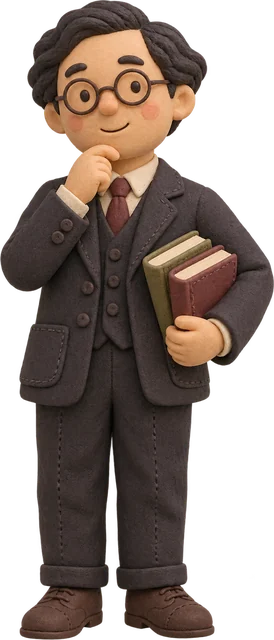
A philosopher of the Kyoto School, widely read for Jinseiron Noto (Notes on Life). He was not released even after the war ended and died in prison in September 1945.
Why could he not leave prison even though the war was over? The philosopher Miki Kiyoshi was arrested on the charge of hiding an escaped prisoner, and even after the surrender he was not released and died of illness in prison in September 1945. This was before the Allied forces ordered the release of political prisoners. His story makes us think about both the law and the responsibility of philosophers.
More detail
Two sources checked
If someone could not leave prison even though the war was over, what had happened? Miki Kiyoshi was from Hyogo Prefecture, studied under Nishida Kitaro at Kyoto University, and became a philosopher after studying in Germany. He wrote works that considered Marx, Pascal, and human life together.
In 1930 he was arrested on the grounds that he had given funds to the Communist Party and lost his university post. Afterward he kept writing and published The Philosophy of History and The Logic of the Imagination, and in 1941 Notes on the Philosophy of Life was widely read. In the late 1930s he worked in the Showa Research Association, Konoe Fumimaro's policy research group, and argued for an East Asian cooperative community, but this idea is also criticized for having been used to justify the war.
In March 1945 he was arrested again on suspicion of hiding Takakura Teru, a communist who had escaped from prison. The war ended on August 15, but the Peace Preservation Law was not abolished right away, and he was not released; he died of illness on September 26 at the Toyotama detention house in Tokyo. It was early October when the Allied command ordered the release of political prisoners.
Miki's death shows how long the law can hold a person, and makes us ask again what a philosopher's responsibility is. It makes us remember how heavy a price one person's choice to protect someone he loved brought in the gaps of the law.
Life timeline
- 1897Born in Hyogo Prefecture
- 1930Arrested on suspicion of funding the Communist Party
- 1938Worked in the Showa Research Association
- 1941Notes on the Philosophy of Life was widely read
- 1945Arrested on suspicion of hiding an escaped prisoner
It was March. - 1945Died at the Toyotama detention house
It was September 26, about a month after the surrender.