 BETA
Person
Mishima Yukio
1925–1970 · Novelist and playwright · State of Japan
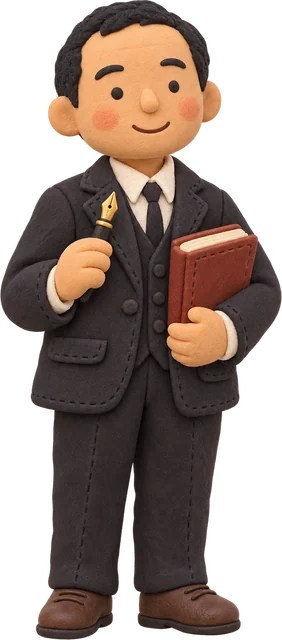
Mishima Yukio was a novelist who represented postwar Japanese literature with Confessions of a Mask and The Temple of the Golden Pavilion. But in 1968 he formed a private group called the Shield Society, and in 1970, after a political speech at a Self-Defense Forces base, he took his own life, shocking the nation.
Why did a writer of splendid prose make a shocking choice? Mishima Yukio became known for Confessions of a Mask and The Temple of the Golden Pavilion. After forming the Shield Society in 1968, in 1970 he called for changing the constitution at a Self-Defense Forces base and took his own life. Opinions about his literature and actions are still divided. Read his works and judge for yourself, but remember that violence and death must never be treated lightly.
More detail
Two sources checked
Why did a writer loved for his splendid prose make such a shocking choice at the end? Mishima Yukio's real name is Hiraoka Kimitake. Born in Yotsuya, Tokyo, in 1925, he studied at the Gakushuin and in 1944 published the story collection Hanazakari no Mori (The Forest in Full Bloom). In the same year he entered the Faculty of Law at Tokyo Imperial University.
In 1946, through Kawabata Yasunari's recommendation, he published the short story Tabako (Cigarette) and drew attention, and with the novel Kamen no Kokuhaku (Confessions of a Mask) in 1949 he secured his position as a writer. In 1954 he won the Shinchosha Literary Prize for Shiosai (The Sound of Waves), and Kinkakuji (The Temple of the Golden Pavilion) in 1956 is regarded as the peak of his work. In the same year he also published Kindai Nogakushu (Five Modern Noh Plays), rewriting classical Noh drama with a modern sensibility.
But in the late 1960s he moved increasingly toward political action. After a trial enlistment in the Self-Defense Forces in 1968, he created the private defense organization "Tatenokai" (Shield Society). Then on November 25, 1970, at the Self-Defense Forces base at Ichigaya, Tokyo, after calling for revision of the constitution and an awakening of the Self-Defense Forces, he took his own life. He was 45.
This incident gave society at the time a great shock, and evaluations still divide over his literature and his political action. Some separate his literary achievement from his extreme choice, and some view them together.
His life makes us ask how talent and extremity coexisted within one person. Read the works and let readers judge, but remember that violence and death must not be taken lightly for any reason.
Life timeline
- 1925Born in Tokyo
January 14; his real name is Hiraoka Kimitake. - 1944The Forest in Full Bloom; entered Tokyo Imperial University
Published his first collection. - 1949Confessions of a Mask
Secured his position as a writer. - 1954Shiosai, Shinchosha Literary Prize
Loved by the general public too. - 1956The Temple of the Golden Pavilion
Regarded as the peak of his work. - 1968Founded the Tatenokai
Created after a trial enlistment in the Self-Defense Forces. - 1970Incident at the Self-Defense Forces base at Ichigaya
November 25; he died at the age of 45.