 BETA
Person
Misora Hibari
1937–1989 · Singer and actress, the "Queen of Enka" · State of Japan
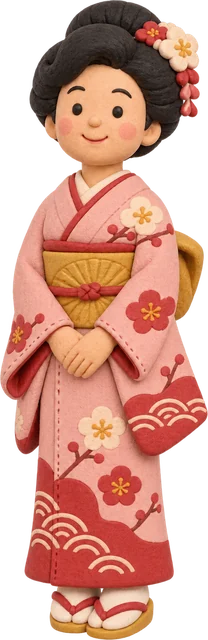
Born the daughter of a fish seller in Yokohama, Misora Hibari began performing on stage around age nine, sang songs that comforted people in postwar Japan, and was called the "Queen of Enka." After her death she received the People's Honor Award.
Why did a little girl's songs move people right after the defeat in the war? Misora Hibari was born the daughter of a fish seller in Yokohama and began performing around age nine. She became popular in 1949 with Sad Whistle and was called the "Queen of Enka." After she died in 1989 at age 52, she received the People's Honor Award. Her story shows that a single song can hold a heart steady in hard times.
More detail
Two sources checked
Why did a young girl's songs move the hearts of people across the country right after defeat? Misora Hibari's real name is Kato Kazue. She was born in 1937 in Isogo, Yokohama, the daughter of the fish shop "Uomasu." From around the age of nine she appeared on stage at a nearby theater showing her singing skill, and in 1948 she stood on the stage of the Yokohama International Theater.
In 1949 she starred in the film Kanashiki Kuchibue (Sad Whistle), and its title song of the same name became a big hit, making her an exclusive singer for Columbia Records. In 1951 to 1952 Echigo Jishi no Uta (Song of the Echigo Lion) and Ringo Oiwake (Apple Oiwake) hit one after another and she was called the "genius girl singer." In 1954 she appeared in the film The Izu Dancer and made her first appearance at NHK's Kohaku Uta Gassen.
In the 1960s she married the actor Kobayashi Akira and divorced in 1964, and in the same year she was hospitalized with hip and liver disease and recovered. Around 1965 to 1966 she won the Japan Record Award for Yawara and hit with Kanashii Sake (Sad Sake), and was called the "Queen of Enka."
In June 1989 she died at the age of 52 of respiratory failure from interstitial pneumonia, and the People's Honor Award was conferred after her death. It is said many people gathered to watch the funeral procession.
In today's terms, it was as if a cheer song sung by the entire school had been born as one person's voice. She showed that in hard times a single song can hold people's hearts.
Life timeline
- 1937Born in Yokohama
May 29. - 1948Appeared on the stage of the Yokohama International Theater
She had been appearing in theaters since around the age of nine. - 1949Starred in the film Kanashiki Kuchibue
The theme song of the same name became a hit. - 1952Ringo Oiwake
Became known as a genius girl singer. - 1954First appearance at NHK's Kohaku Uta Gassen
She also appeared in the film The Izu Dancer. - 1965Japan Record Award for Yawara
The year differs by source. - 1966Kanashii Sake became a hit
Called the Queen of Enka. - 1989Died
June 24; the People's Honor Award was conferred posthumously.