 BETA
Person
Mona Rudao
1882–1930 · Seediq Leader and Leader of the Wushe Incident · Empire of Japan
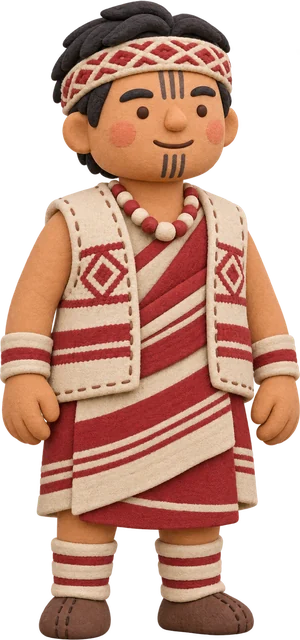
A chief of the Seediq people in the mountains of Taiwan under Japanese rule. He led the uprising that attacked Japanese people in the Wushe Incident of October 1930, and took his own life during the crackdown.
Why did people who had endured for so long take up weapons? Mona Rudao, a chief of the Seediq people of Taiwan, started the Wushe Incident in 1930 against discrimination and forced labor under Japanese rule. Many Seediq people lost their lives in the Japanese crackdown, and he also ended his own life. His story makes us look back at where discrimination and oppression lead.
More detail
Under review
If people who had endured for a long time finally take up arms, what was the last drop? Mona Rudao was a village chief of the Seediq people (the Tgdaya group) living in the mountains of central Taiwan; his birth year is known to be in the early 1880s.
Under Japanese rule, indigenous villages suffered discrimination, forced labor, logging of their forests, and disregard for their customs. It is said that at the wedding of Mona Rudao's son in October 1930, a quarrel broke out because a Japanese police officer refused a cup of rice wine. The apology was not accepted, and the chief is said to have decided to rise up first rather than wait for revenge.
On the morning of October 27, Seediq warriors attacked the Japanese gathered at a sports day at the Musha public school and killed 134 people. Japan sent about 2,000 soldiers and police and suppressed the uprising over nearly two months; more than 600 Seediq people died. Nearly half of them took their own lives rather than surrender, and Mona Rudao is said to have done the same. Testimony and records that the Japanese military used poison gas are also handed down.
His remains were found a few years later. He was long called a "rebel," but in Taiwan he was later re-evaluated as a hero of resistance. Because the chain of violence left deep wounds on everyone, this event makes us reflect on where discrimination and oppression can lead.
Life timeline
- 1882Born in a Seediq village
The birth year differs from source to source. - 1930Conflict with Japanese police at his son's wedding
- 1930Led the Musha Incident
On October 27, 134 Japanese people died. - 1930Japan moved to suppress the uprising with about 2,000 soldiers and police
Testimony of poison gas use is also handed down. - 1930Took his own life during the suppression
It is said to have been around the end of the year. - 1933His remains were found
Based on a search summary; the date differs from source to source.