 BETA
Person
Oe Kenzaburo
1935–2023 · Novelist and Nobel Prize in Literature winner · State of Japan
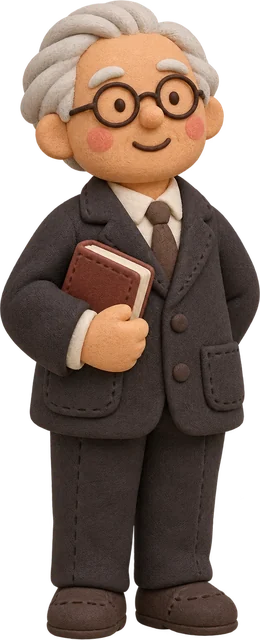
Oe Kenzaburo was a novelist who won the Akutagawa Prize in 1958 for Shiiku (The Catch). In works such as Hiroshima Notes he asked questions about nuclear weapons and humanity, and he put life with his son, born with a disability, into his writing. In 1994 he became the second Japanese person to win the Nobel Prize in Literature.
How did a small country boy become a writer the whole world listens to? Oe Kenzaburo won the Akutagawa Prize in 1958 for Shiiku, then visited Hiroshima and wrote Hiroshima Notes. He also wrote about life with his son, who was born with a disability, and won the Nobel Prize in Literature in 1994. Literature has the power to turn one person's pain into everyone's story.
More detail
Two sources checked
How did a boy raised in a small country village become a writer the world listens to? Oe Kenzaburo was born on January 31, 1935, in Ose, a mountain village in Ehime Prefecture. In 1957, while attending the French literature department at the University of Tokyo, he became known with the novel Kimyo na Shigoto (A Strange Job), and in 1958 he won the Akutagawa Prize for Shiiku (The Catch).
In 1963 to 1965 he visited Hiroshima, where the atomic bomb had fallen, met people who had been harmed, and wrote Hiroshima Notes. He kept asking about human imagination and responsibility in the nuclear age. He received the Tanizaki Jun'ichiro Prize in 1967 for Man'en Gannen no Futtobaru (The Silent Cry) and the Noma Literary Prize in 1973 for Kozui wa Waga Tamashii ni Oyobi (The Flood Has Reached My Soul).
The great event of his life was his son, born with a disability. What he experienced living with his son melted into later works such as Shizuka na Seikatsu (A Quiet Life), becoming writing that looks at human pain and hope together. He also took part in citizens' activities to protect the pacifist constitution.
In 1994, following Kawabata Yasunari, he received the Nobel Prize in Literature, the second Japanese person to do so. He died on March 3, 2023.
In today's terms, like a class president who speaks up for the weakest friend in school, he looked to the end, in writing, at the weak places of society. It shows that literature has the power to turn one person's pain into everyone's story.
Life timeline
- 1935Born in Ehime Prefecture
January 31. - 1958Akutagawa Prize for Shiiku
He debuted while still enrolled at the University of Tokyo. - 1963Began reporting for Hiroshima Notes
It continued until 1965. - 1967Man'en Gannen no Futtobaru, Tanizaki Prize
It became a representative work. - 1973Kozui wa Waga Tamashii ni Oyobi, Noma Literary Prize
Widened his literary world. - 1990A Quiet Life and others
Works that contain his life with his son (the 1990s). - 1994Nobel Prize in Literature
The second Japanese person. - 2023Died
March 3.