 BETA
Person
Tokugawa Ienari
1773–1841 · 11th Shogun of the Edo Shogunate · Edo Shogunate
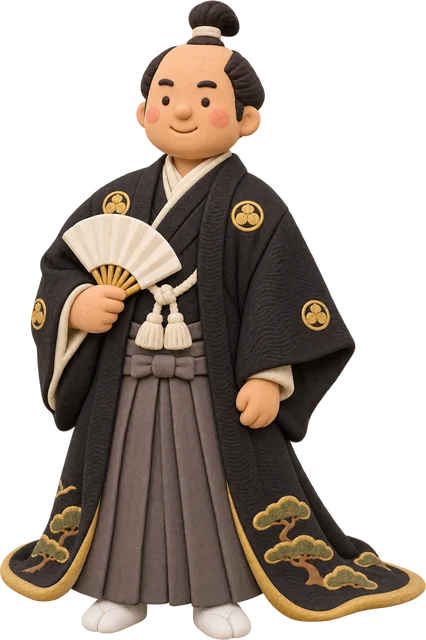
The longest-serving shogun, who held the post for 50 years and received the last Joseon embassy.
Tokugawa Ienari was shogun for 50 years. He held the post of shogun longer than anyone in the Edo Shogunate. In 1811, he received the last Joseon embassy at Tsushima.
More detail
Two sources checked
Tokugawa Ienari was born in 1773 as the eldest son of Tokugawa Harusada of the Hitotsubashi family, one of the Gosankyo (the three lesser branch families of the Tokugawa). He was adopted by Ieharu, became shogun in 1787 at the age of fifteen, and held the post for 50 years until 1837, the longest of any shogun of the Edo shogunate.
At first the senior councillor Matsudaira Sadanobu carried out the 'Kansei Reforms,' which stressed frugality. After Sadanobu stepped down in 1793, Ienari led the government himself, but his spending was large and the shogunate's finances became difficult again. In its place, the 'Kasei culture,' a culture of the common people centered on Edo, with ukiyo-e, novels, and kabuki, came into full bloom.
When Russian and British ships began appearing often at this time, the shogunate issued the 'Edict to Repel Foreign Ships' in 1825, ordering foreign ships to be driven away. A Joseon diplomatic mission (Tongsinsa) came in 1811 to congratulate him on becoming shogun, but this time the exchange of state letters took place at Tsushima rather than Edo, and this became the last Joseon mission. Even after handing the post of shogun to his son Ieyoshi in 1837, Ienari kept real power until he died in 1841.
Life timeline
- 1787Became shogun
- 1787Matsudaira Sadanobu began the Kansei Reforms
- 1811Received the last Joseon diplomatic mission at Tsushima
- 1825Issued the Edict to Repel Foreign Ships
- 1837Handed the post of shogun to Ieyoshi