 BETA
Person
Tokugawa Yoshimune
1684–1751 · 8th Shogun of the Edo Shogunate · Edo Shogunate
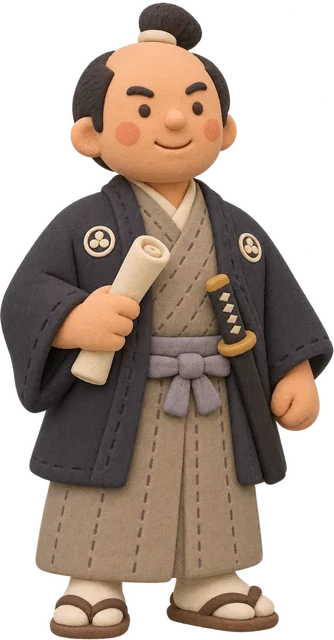
He went from being lord of the Kishu domain to shogun, and as the 8th shogun revived the shogunate's finances through the "Kyoho Reforms."
Tokugawa Yoshimune was a shogun who revived the shogunate's finances through the "Kyoho Reforms." He set up a suggestion box to hear the people's opinions and built a hospital for poor people. In 1719, a Joseon embassy came to congratulate him.
More detail
Two sources checked
Tokugawa Yoshimune was born in 1684 as the fourth son of Tokugawa Mitsusada, lord of the Kii domain (now Wakayama Prefecture). His older brothers died one after another, and in 1705 he became lord of Kii, where he became known for managing the domain's finances carefully. In 1716 the 7th shogun, Ietsugu, died young, and Yoshimune was chosen as the 8th shogun from the Kii branch of the Gosanke (the three branch families of the Tokugawa).
At that time the shogunate was badly short of money. Yoshimune carried out the 'Kyoho Reforms.' He lived frugally himself, and he created the 'Agemai system,' under which daimyo gave rice to the shogunate and in return had their stays in Edo under the sankin-kotai system (alternate attendance) shortened. He had new rice fields opened up and worked to keep the price of rice under control, which earned him the nickname 'the Rice Shogun.'
He set up the 'Meyasubako' (a suggestion box) to hear the voices of the common people, and following the opinions it gathered he founded the Koishikawa Yojosho, a clinic that treated the poor. He also compiled the 'Kujikata Osadamegaki,' a set of standards for trials, and he eased the limits on importing Western books (Chinese translations) unrelated to Christianity, which helped give rise to 'Rangaku' (Dutch learning).
In 1719 a Joseon diplomatic mission (Tongsinsa) came to Edo to congratulate Yoshimune on becoming shogun. The ceremonies on that occasion largely went back to the old forms that had been changed in 1711. In 1745 Yoshimune handed the post of shogun to his son Ieshige and lived as the retired 'Okugosho' until his death in 1751.
Life timeline
- 1705Became lord of Kii
- 1716Became shogun and began the Kyoho Reforms
- 1719Received the Joseon diplomatic mission
- 1721Set up the Meyasubako (suggestion box)
- 1722Founded the Koishikawa Yojosho and began the Agemai system
- 1742Completed the Kujikata Osadamegaki
Related events
- 1716Kyoho Reforms
- 1722Koishikawa Infirmary
- 1730Official Recognition of the Dojima Rice Market
- 1732The Great Kyoho Famine