 BETA
Person
Tojo Hideki
1884–1948 · Prime Minister and Army General during the Pacific War · Empire of Japan
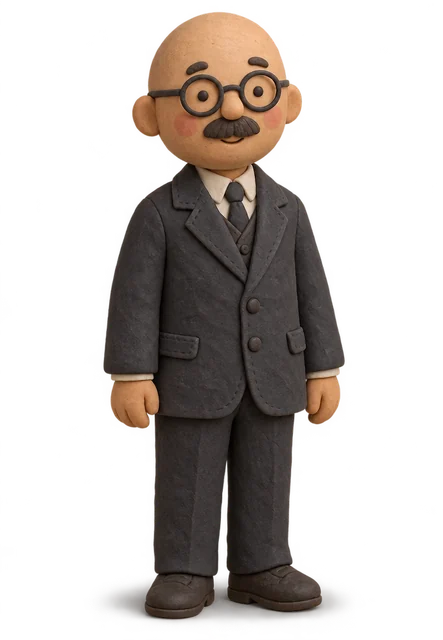
He was prime minister when the Pacific War began, and he was executed as a war criminal.
Tojo Hideki was an army general who became prime minister in 1941. At that time, Japan began the Pacific War with the United States. After the war, he was sentenced to death as a war criminal at a trial.
More detail
Two sources checked
Tojo Hideki was born in Tokyo in 1884 as the son of an army officer. He graduated from the Army Academy and the Army War College and grew up as an elite of the army.
In 1937 he became chief of staff of the Kwantung Army and was involved in the Sino-Japanese War from Manchuria, and in 1940 he became Army Minister and insisted that the army would not withdraw from China. He also issued the Field Service Code, which told soldiers 'do not suffer the shame of being taken alive as a prisoner.'
He became prime minister in October 1941 and began the war with the United States in December. Holding posts such as Army Minister at the same time, he gripped great power, but he stepped down in 1944 when Saipan was lost.
After the defeat he tried to kill himself just before his arrest but survived. At the Tokyo Trials he was sentenced to death as a Class A war criminal and executed in 1948.
Life timeline
- 1940Became Army Minister
- 1941Became prime minister
- 1948Executed as a war criminal
Related events
- 1937Second Sino-Japanese War and the Nanjing Massacre
- 1940Founding of the Imperial Rule Assistance Association
- 1941Attack on Pearl Harbor and the Start of the Pacific War
- 1942The Yokusan Election (21st General Election)
- 1943Student Mobilization (End of Draft Deferment for Students)
- 1944The Fall of Saipan and the Resignation of the Tojo Cabinet
- 1946The Tokyo Trials (International Military Tribunal for the Far East)