 BETA
EventGoryeo Period
Iryeon's Samguk Yusa
c. 1281 · Goryeo · Unmunsa Temple in Cheongdo / Ingaksa Temple in Gunwi
Today: Unmunsa Temple, Cheongdo, North Gyeongsang Province; Ingaksa Temple, Gunwi, Daegu Metropolitan City
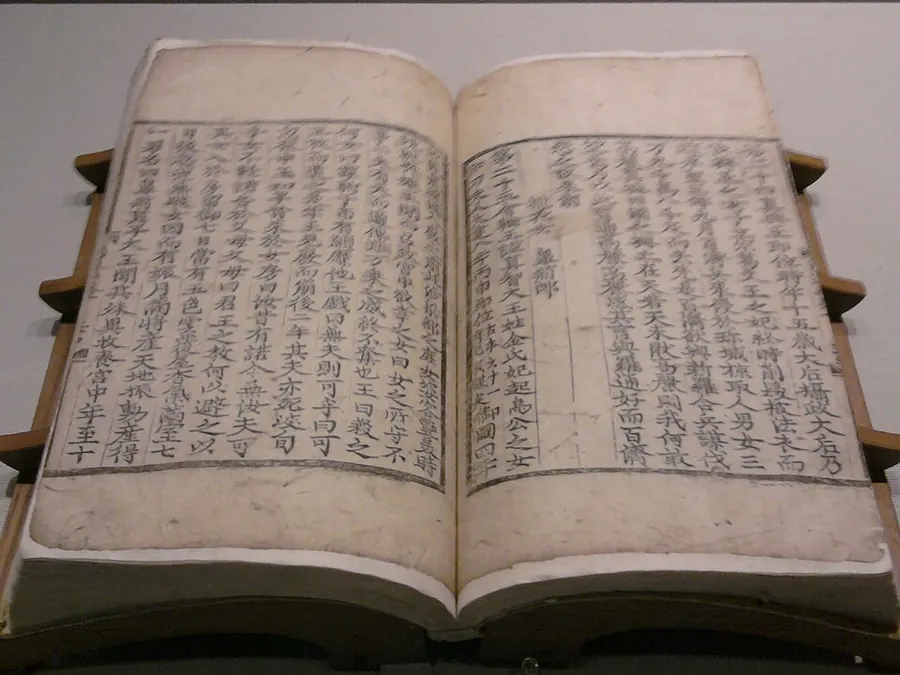
Around 1281, the monk Iryeon, at Ingaksa Temple, gathered old tales left out of the Samguk Sagi, such as the story of Dangun and 14 hyangga poems, and left them as the five-volume Samguk Yusa (the Memorabilia of the Three Kingdoms).
What happened
Where can you learn the stories that are not in the official history book? When the country was struggling in its wars with the Mongols, the monk Iryeon gathered old tales left out of the Samguk Sagi and compiled the Samguk Yusa around 1281. It holds the story of Dangun, the founding myths and tales of the Three Kingdoms, and 14 hyangga, songs of Silla, and it is the oldest book containing the Dangun story. It shows that even small stories become lasting treasures when they are written down.
More detail
Two sources checked
Why it happened
Why did a monk gather old tales in a country wounded by war? Iryeon lived in a time when the whole country was wounded by the long war with the Mongols. Perhaps, in hard times, he wanted to look back at who the Korean people were.
He thought he should collect and preserve the ancient roots of the Korean people, old tales and Buddhist stories that the Samguk Sagi had left out.
In today's terms, it was like wanting to gather the stories that did not fit in the official record book into a separate story notebook.
What happened
In his old age Iryeon stayed at Ingaksa Temple in Gunwi, North Gyeongsang, and around 1281 (the 7th year of King Chungnyeol) he compiled the five-volume Samguk Yusa. The year of completion is not known exactly, so it is given as about 1281, and some scholars think his disciple Mugeuk published it in the 1310s.
The book begins with the story of Dangun of Gojoseon. It goes on to the founding myths and tales of the Three Kingdoms, stories of temples and pagodas, and stories of monks.
It also includes 14 hyangga, songs sung by the people of Silla. The songs and beliefs of people that the history books could not hold survived inside this book.
What came of it
This is the oldest book that contains the story of Dangun, and it became the basis for counting Korean history from Gojoseon.
The 14 hyangga, together with the 11 in the Gyunyeojeon (the Life of Gyunyeo), are all the hyangga that survive today, so they are essential material for studying the old Korean language and literature.
Stories that are not in the official history become great treasures long afterward if they are written down. It reminds people today that the small stories and songs they leave behind may someday be precious records for someone.
People in this event
- Iryeon — He stayed at Ingaksa Temple and compiled the Samguk Yusa in 5 volumes.