 BETA
EventJoseon Period
Minting and Circulation of Sangpyeong Tongbo
1678 · Joseon · Hanyang (Hojo and other government offices)
Today: Seoul, Korea
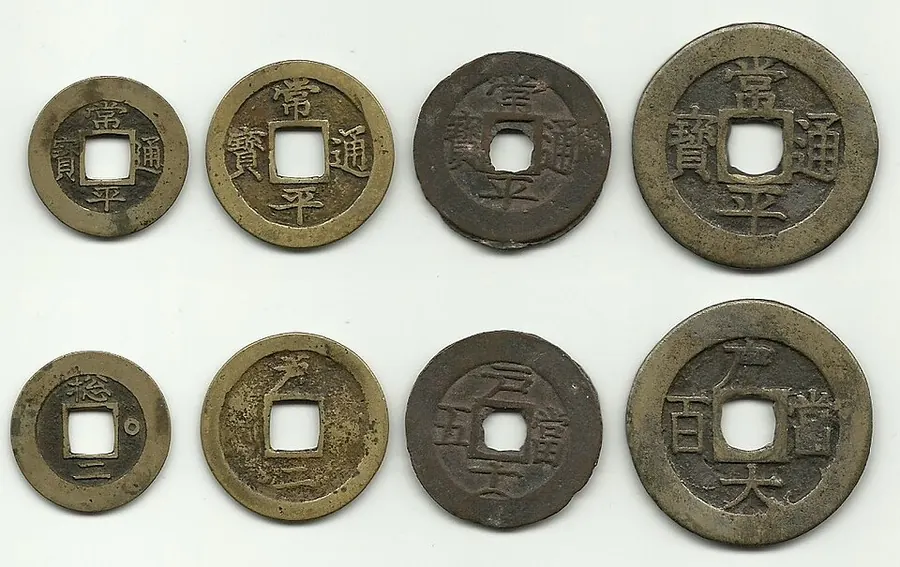
Sangpyeong Tongbo, a coin used across the country in late Joseon, was made and circulated.
What happened
In the old days, rice and cloth were used like money, but they were heavy and hard to divide. In 1678, in the time of Sukjong, the state made the Sangpyeong Tongbo coin. As coins came into wide use, markets and trade grew bigger. Sangpyeong Tongbo was used for about 200 years, until the end of Joseon.
More detail
Two sources checked
Why it happened
After the Imjin War and the Byeongja Horan, as markets and trade revived, a convenient kind of money for buying and selling goods became necessary. Until then, rice or cloth (hemp cloth) had been used as money, but they were heavy and hard to divide into small amounts.
Coins had been made in early Joseon as well but were not widely used. In the mid-seventeenth century coins began to be used first in places such as Gaeseong, and officials such as Kim Yuk steadily argued for the use of coins.
What happened
In 1678 (the 4th year of King Sukjong), on the proposal of Chief State Councillor Heo Jeok and others, Sangpyeong Tongbo coins were made and designated the state's official currency (beobhwa). Many offices struck coins together, including the Board of Taxation (Hojo), the Sangpyeongcheong and Jinhyulcheong, and military units such as the Hullyeon Dogam and the Eoyeongcheong, and from 1785, under King Jeongjo, the Board of Taxation took sole charge.
The coins were made from copper mixed with tin and other metals, and a considerable part of the raw copper was imported from Japan. When the copper coming from Japan decreased, coins became short and money scarce, a condition called "jeonhwang."
What came of it
By the early eighteenth century Sangpyeong Tongbo was used across the country. As taxes, prices, land values, and wages came to be reckoned in coins, markets and commerce grew.
In the 1860s the monetary order was badly shaken by things such as the Dangbaekjeon made by Heungseon Daewongun, and in 1894 the minting of Sangpyeong Tongbo stopped. It was used for about 200 years, until it was collected in the currency reform of the early twentieth century.
Links with other countries
Copper, the raw material of the coins, was imported from Japan (trade at the Waegwan)
People in this event
- Sukjong — In 1678, he had Sangpyeong Tongbo made and put into wide use.