 BETA
Person
Bang Jeong-hwan
1899–1931 · Children's rights activist · Japanese Government-General of Korea
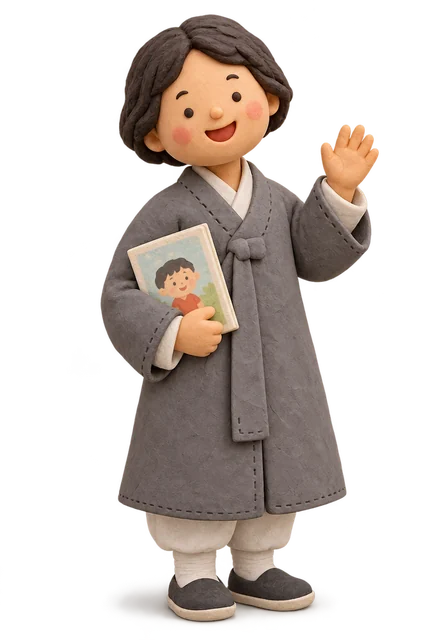
He was the person who spread the use of the word 'eorini' (child) and created Children's Day.
He was the person who spread the use of the word 'eorini' (child) and created Children's Day. He said that children are precious people just like adults. In 1923 he published the magazine Eorini (The Child) and made fairy tales and children's songs known.
More detail
Two sources checked
Bang Jeong-hwan was born in Seoul in 1899. He was also the son-in-law of Son Byeong-hui, a leader of Cheondogyo. During the March First Movement of 1919 he was arrested for handing out copies of the Declaration of Independence and suffered hardship.
In 1920 he studied at Toyo University in Japan, where he learned about children's literature and the minds of children. He changed the idea that children were the possessions of adults and said that children, too, should be respected as persons. It was with this meaning that he spread the use of the word 'eorini' (child).
In 1921 he formed the Cheondogyo Boys' Association and began the children's movement, and on 1 May 1922 he set the first 'Children's Day.' In 1923 he published the children's magazine Eorini (The Child), carrying fairy tales and children's songs, and formed the Saekdongheo to broaden the children's movement.
Working nonstop at lectures and writing, he fell ill and died in July 1931 at the age of 32. In 1990 the government awarded him the Order of Merit for National Foundation, Patriotism Medal. Today's Children's Day on 5 May comes from the children's movement he began.
Life timeline
- 1921Formed the Cheondogyo Boys' Association
- 1922Set the first Children's Day
- 1923Published the magazine Eorini (The Child)