 BETA
Person
King Beop
?–600 CE · Twenty-ninth king of Baekje · Baekje
Birth name: Buyeo Seon (扶餘宣)
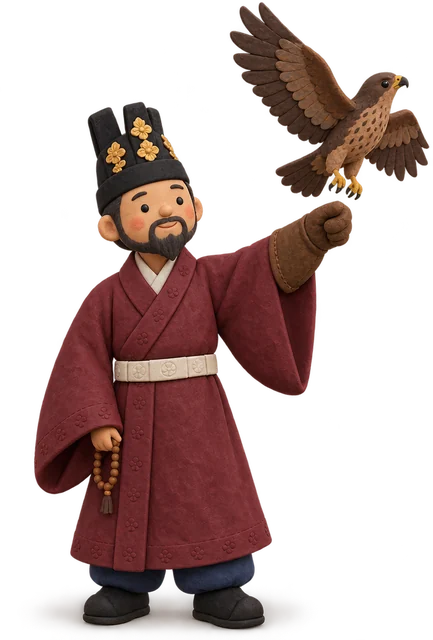
The twenty-ninth king of Baekje, who banned the killing of living things and began building Wangheungsa Temple
King Beop was the twenty-ninth king of Baekje. He believed deeply in Buddhism, ordered that living things not be killed, and had the hawks he kept released. He began building a large temple called Wangheungsa in Buyeo.
More detail
Two sources checked
King Beop was the 29th king of Baekje and the eldest son of the 28th king, King Hye. His name was Seon, or Hyosun. In 599, his father King Hye died only two years after taking the throne, and Beop became king. His son was King Mu, who later built Mireuksa Temple in Iksan.
King Beop was a devout Buddhist. In the twelfth month of the year he became king, he issued an order forbidding the killing of living things. He had the hawks kept in households released and the tools for fishing and hunting burned. He was trying to spread the teachings of Buddhism even into the daily lives of the people.
In the first month of 600, he began building Wangheungsa Temple on the opposite bank of the Geum River from the capital, Sabi (present-day Buyeo), and allowed 30 people to become monks. Wangheungsa was a temple to pray for the well-being of the royal house and the country, and it was only completed in 634, during the reign of his son King Mu. That year, when a drought struck, the king also went to Chilaksa Temple to pray for rain.
King Beop died in the summer of 600, in the second year since he became king. His reign was short, but he is regarded as a king who tried to strengthen royal power through Buddhism.
Life timeline
- 599 CEBecame king and issued a ban on killing living things
- 600 CEBegan building Wangheungsa Temple