 BETA
Person
Heungseon Daewongun
1820–1898 · Father of Gojong · Joseon
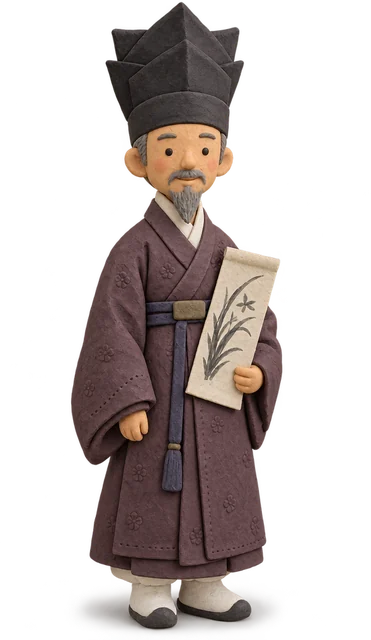
He was the father of Gojong, a reformer who led Joseon for ten years, and a statesman who refused trade with Western countries.
Heungseon Daewongun was the father of King Gojong. When his son became king, he led the country in his place for ten years. He rebuilt Gyeongbokgung Palace, but it cost a lot of money and the labor of the people, so there was great discontent. Western countries asked to trade, but he refused.
More detail
Two sources checked
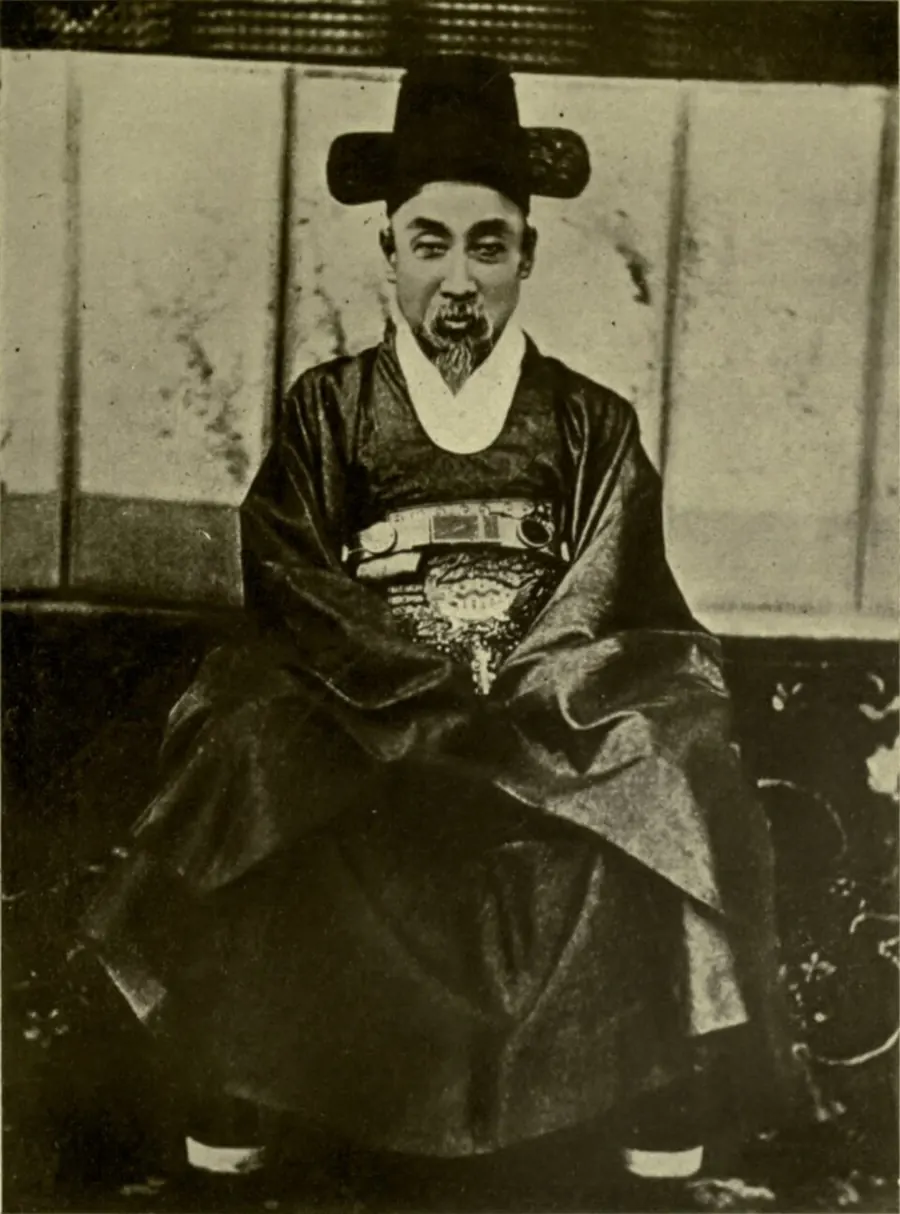
The Heungseon Daewongun's name was Yi Ha-eung. He was of royal blood, but he lost his parents young, and because the Andong Kim clan was keeping watch on members of the royal family, he deliberately mixed with idlers and kept a low profile. All the while he secretly joined hands with Queen Dowager Jo, the eldest senior lady of the palace.
In 1863, when King Cheoljong died with no son, Queen Dowager Jo placed Yi Ha-eung's second son on the throne at the age of 12 (King Gojong). Yi Ha-eung became the 'Daewongun,' the title for a king's father, and held real power over the country for about ten years.
He tried to break the power of the powerful in-law clans and restore the authority of the royal house. He closed most of the seowon (private academies) that had become bases for political factions, and introduced the hoporje, a system under which even yangban (the noble class) paid the military cloth tax. He abolished the Bibyeonsa (the Border Defense Council) and had the Uijeongbu and the Samgunbu share the affairs of state and military matters, and he rebuilt Gyeongbokgung Palace. However, to raise the construction costs he collected wonnajeon (money gathered under the name of donations) and drew in large trees, stones and the labor of the people, which earned him their resentment.
From 1866 he persecuted Catholics severely. France invaded using this as a pretext (the French Campaign of 1866, or Byeonginyangyo) and the United States followed (the American Campaign of 1871, or Sinmiyangyo). After he drove them off, his resolve not to have dealings with the West grew even firmer.
In 1873 he stepped down, prompted by a memorial from Choe Ik-hyeon. After that he was in long conflict with his daughter-in-law, Empress Myeongseong. In 1882, during the Imo Soldiers' Revolt, he briefly regained power, but he was taken off to Qing China and kept confined for three years. He died in 1898.
Life timeline
- 1843Became Prince Heungseon
- 1863His son Gojong took the throne and he seized real power
- 1873Withdrew from power
He stepped down, prompted by Choe Ik-hyeon's memorial. - 1882Regained power during the Imo Soldiers' Revolt
Soon afterward he was seized by Qing troops and taken to Qing China. - 1885Returned from Qing China
Related events
- 1746Compiling the Sokdaejeon, Daejeon Tongpyeon and Daejeon Hoetong
- 1865Reconstruction of Gyeongbokgung Palace
- 1865Heungseon Daewongun's Abolition of Seowon
- 1866The Byeongin Persecution
- 1866French Invasion of 1866 (Byeongin Yangyo)
- 1868Oppert's Attempt to Rob the Tomb of Namyeongun
- 1871Erecting the Cheokhwabi Monuments
- 1871Sinmiyangyo (the American Expedition to Joseon)
- 1873Heungseon Daewongun Steps Down and Gojong Rules Directly
- 1882Imo Mutiny