 BETA
Person
Kim Sou-hwan
1922–2009 · Korea's first cardinal · Republic of Korea
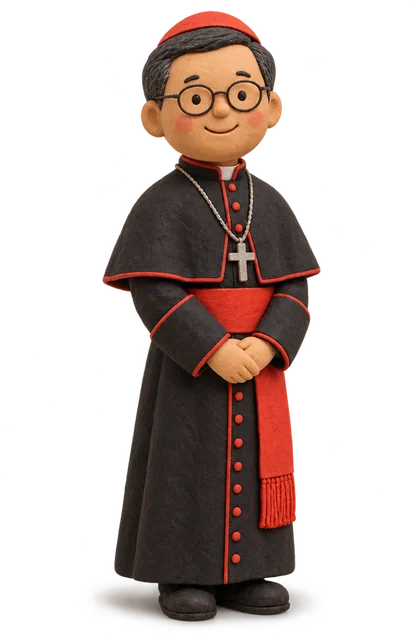
Korea's first cardinal, a religious leader who sheltered the democratization movement.
He was the priest who became the first Korean cardinal. A cardinal is a very high position in the Catholic Church. In the days of dictatorship, he protected Myeongdong Cathedral as a refuge for people in the democracy movement. When he died, he donated his corneas.
More detail
Two sources checked
Kim Sou-hwan was born in 1922 in Daegu into a Catholic family. His grandfather was a believer who was martyred in the Byeongin Persecution of 1866. He graduated from Dongseong Commercial School in Seoul and studied at Sophia University in Japan, but returned because of the war.
He became a priest in 1951, studied sociology in Germany, and in 1966 became bishop of the Masan Diocese. In 1968 he became archbishop of Seoul, and in 1969 he became the first Korean cardinal, a high Catholic cleric who assists the pope.
In the days of the dictatorship he spoke out that human rights and democracy must be protected. Myeongdong Cathedral in Seoul, which he led, also became a place where people in the democracy movement took refuge.
He also put effort into caring for the poor and the weak. When he died in February 2009 he donated his corneas, which moved many people.
Life timeline
- 1951Becomes a priest
- 1966Becomes bishop of the Masan Diocese
- 1968Becomes archbishop of Seoul
- 1969Becomes Korea's first cardinal