 BETA
Person
Min Yeong-hwan
1861–1905 · A high official of the Korean Empire · Korean Empire
A high official who took his own life in protest against the Eulsa Treaty.
He was a high official of the Korean Empire. In 1896 he went to a great ceremony for the Russian emperor and saw many Western countries. When the Eulsa Treaty was made in 1905, he demanded that it be treated as if it had never happened. He wrote a message to the people and took his own life.
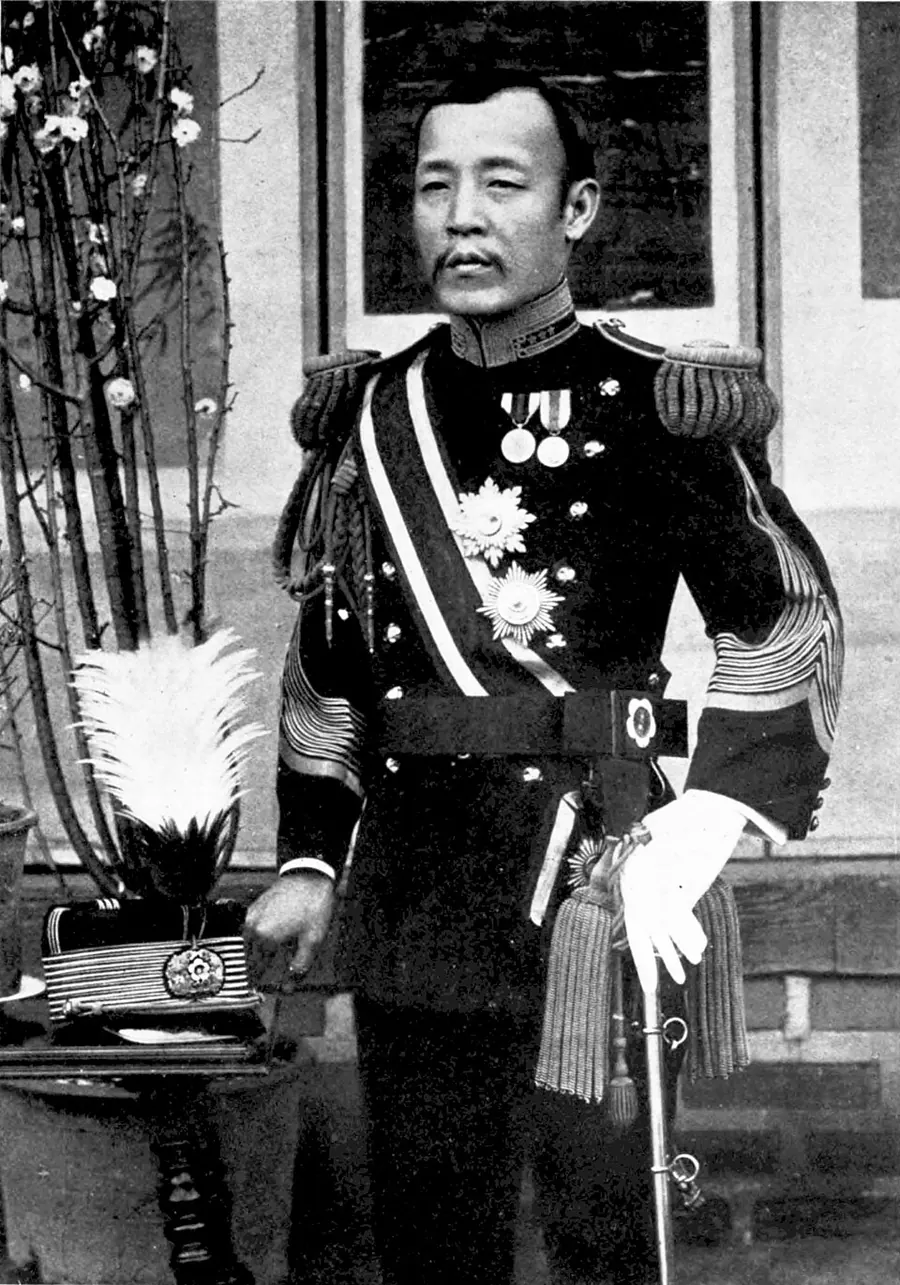
More detail
Two sources checked
Min Yeong-hwan was born in Seoul in 1861. He was a member of the Yeoheung Min clan, the same as Empress Myeongseong, and held high office from a young age.
In 1896 he went as special envoy plenipotentiary to the coronation of Tsar Nicholas II of Russia, traveling around the world by way of the Pacific, the United States and Europe. The next year he visited Britain and other European countries. Having seen Western armies, schools and institutions with his own eyes, he thought the country had to be renewed.
After returning he proposed reforming the military system and supported the activities of the Independence Club. He was also pushed out of important posts for standing against Japanese interference.
When the Eulsa Treaty was concluded in November 1905, he repeatedly demanded that the treaty be nullified and that the ministers who had approved it be punished. When his wishes were not accepted, on 30 November he wrote a message to the people and the foreign envoys and took his own life. His death awakened many people and became an occasion for the anti-Japanese movement to grow fiercer.
Life timeline
- 1896Attends the coronation of the Russian tsar
- 1897Goes to several European countries as special envoy plenipotentiary