 BETA
Person
Na Hye-seok
1896–1948 · First woman Western-style painter · Japanese Government-General of Korea
Korea's first woman Western-style painter and a writer who called for women's liberation.
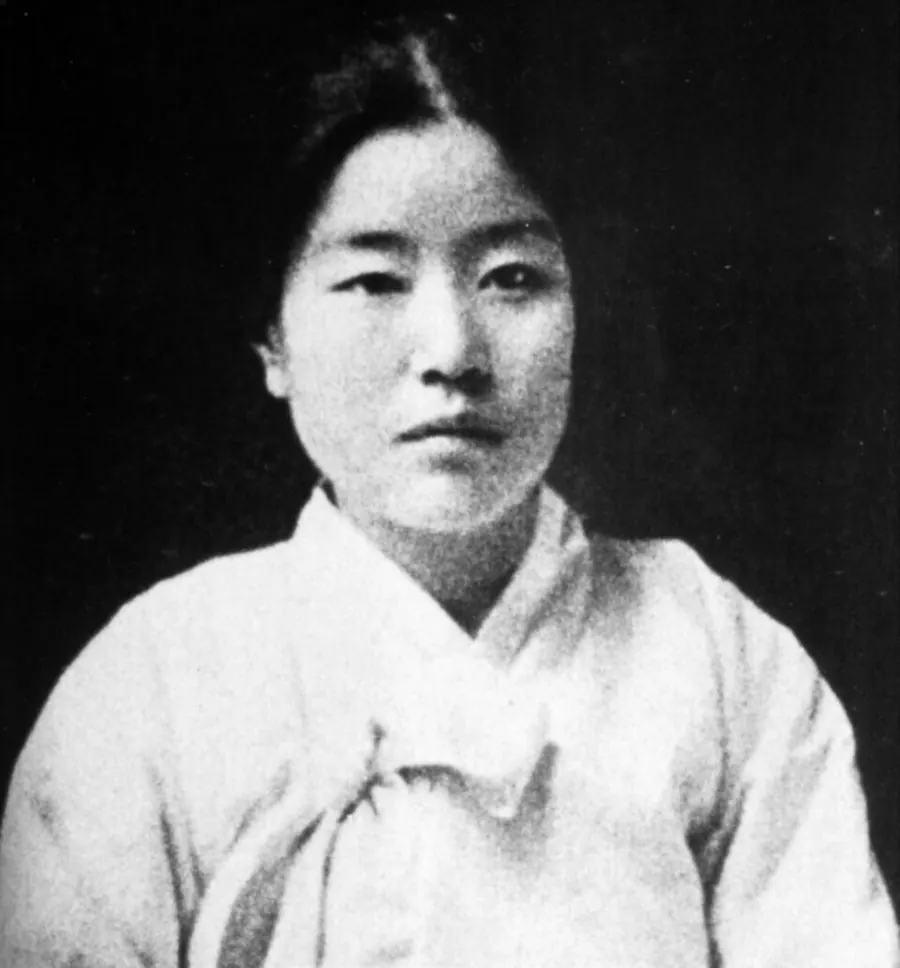
She was Korea's first woman Western-style painter. She studied painting in Tokyo, Japan, and won prizes several times in art contests. She traveled the world and also studied painting in Paris, France. She pointed out in her writing that society treated men and women differently.
More detail
Two sources checked
Na Hye-seok was born in 1896 in Suwon, Gyeonggi Province. She graduated from Jinmyeong Girls' School with honors and in 1913 studied Western painting at a women's art school in Tokyo, Japan. While studying abroad she published essays and fiction arguing that women, too, must think and work for themselves.
She returned in 1918 and worked as an art teacher, and in 1919 she took part in the March 1st Movement and spent five months in prison. In 1921 she held a solo exhibition of oil paintings in Seoul, which is counted as the first oil painting exhibition held by a Korean woman painter. From 1922 she submitted paintings every year to the Joseon Art Exhibition and won prizes several times.
From 1927 she traveled around the world with her husband and stayed in Paris, France, for about eight months studying painting. From this time she painted works with bolder colors and brushwork and left works such as "Muhui" (The Dancer).
After her divorce in 1930, in 1934 she published a piece in a magazine criticizing a society that applied different standards to men and women. This piece caused great controversy, and after that her activity as a painter became increasingly difficult. She died in 1948 in poverty and illness.
Life timeline
- 1913Left to study art in Tokyo
- 1921Held her first solo exhibition of oil paintings in Seoul
- 1922Submitted a painting to the Joseon Art Exhibition for the first time
- 1927Set out on a world tour
- 1934Published her 'Confession of Divorce'