 BETA
Person
Yeo Un-hyeong
1886–1947 · An independence activist · Japanese Government-General of Korea
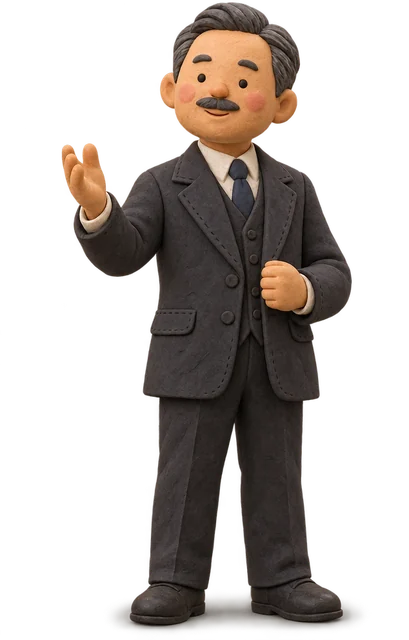
An independence activist who led the Committee for the Preparation of Nation-Building right after liberation.
He was an independence activist who prepared for liberation in advance. In 1944 he secretly formed a group to prepare for after liberation. Right after liberation, he led a group preparing to build the new country. He tried hard to bring together people with different ideas, and lost his life in 1947.
More detail
Two sources checked
Yeo Un-hyeong was born in 1886 in Yangpyeong, Gyeonggi Province. In 1907 he burned his family's slave records to free the slaves and founded a school in his hometown. In 1914 he studied at Jinling University in Nanjing, China.
In 1918 he formed the New Korea Youth Party in Shanghai and sent Kim Gyu-sik as its representative to the Paris Peace Conference in 1919. He also took part in founding the Provisional Government of the Republic of Korea, and in November 1919 he went to Tokyo, Japan, and boldly gave a speech before Japanese officials on the justice of Korean independence.
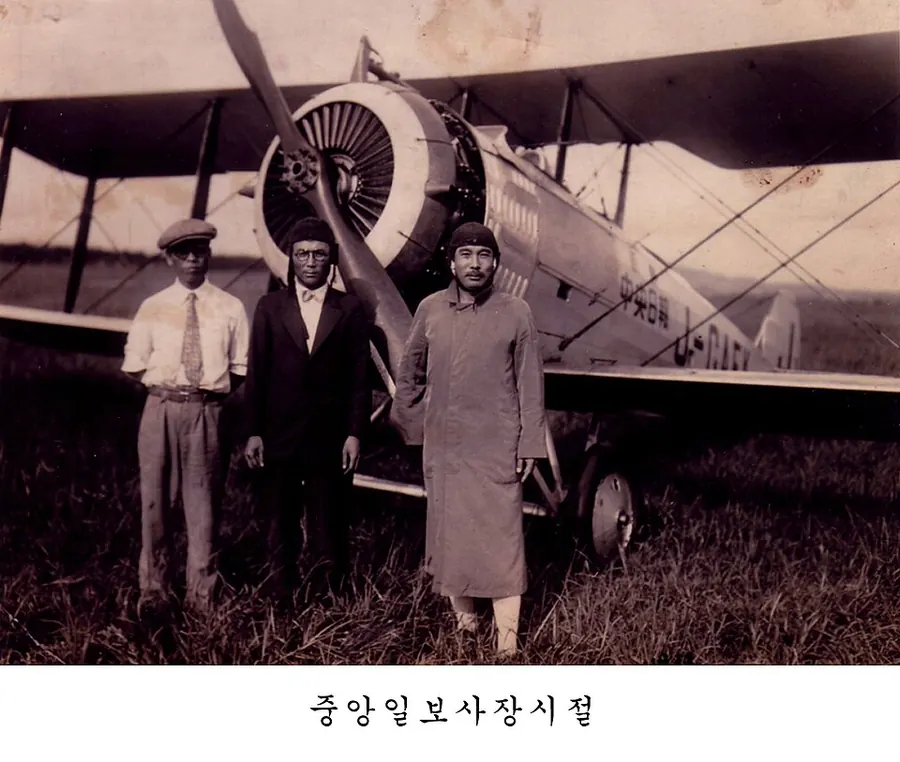
In 1929 he was arrested in Shanghai, taken back to Korea, and imprisoned. In 1933 he became president of the Joseon Jungang Ilbo, and in 1936 the newspaper was forced to close because it had erased the Japanese flag from a photo of the athlete Son Gi-jeong.
In 1944, anticipating liberation, he formed the secret society Geon-guk Dongmaeng (Alliance for National Foundation), and when liberation came on 15 August 1945, he led the Committee for the Preparation of Korean Independence. After that he worked on the Left-Right Coalition Movement, which sought to set up a unified government by joining the forces of the left and the right, and on 19 July 1947 he was assassinated in Hyehwa-dong, Seoul. The government awarded him the Order of Merit for National Foundation in 2005 and 2008.
Life timeline
- 1907Frees his family's slaves
- 1918Forms the New Korea Youth Party
- 1933Becomes president of the Joseon Jungang Ilbo
- 1944Forms the Alliance for National Foundation
- 1945Leads the Committee for the Preparation of Korean Independence
Related events
- 1918Founding of the New Korea Youth Party and Sending a Delegate to the Paris Peace Conference
- 1944Founding of the Korean National Founding League
- 1945August 15 Liberation and the Committee for the Preparation of Korean Independence
- 1946The Left-Right Coalition Movement and the Seven Principles of Left-Right Cooperation