 BETA
Person
Yeongjo
1694–1776 · 21st king of Joseon · Joseon
Birth name: Yi Geum
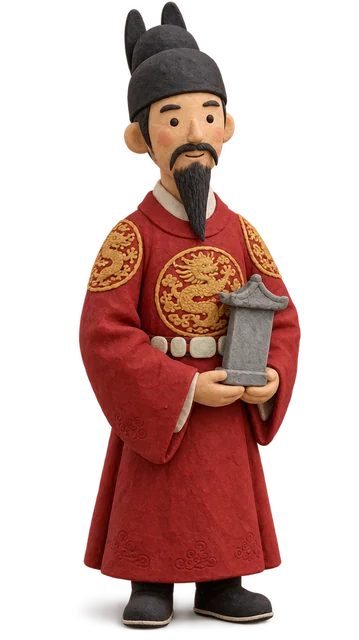
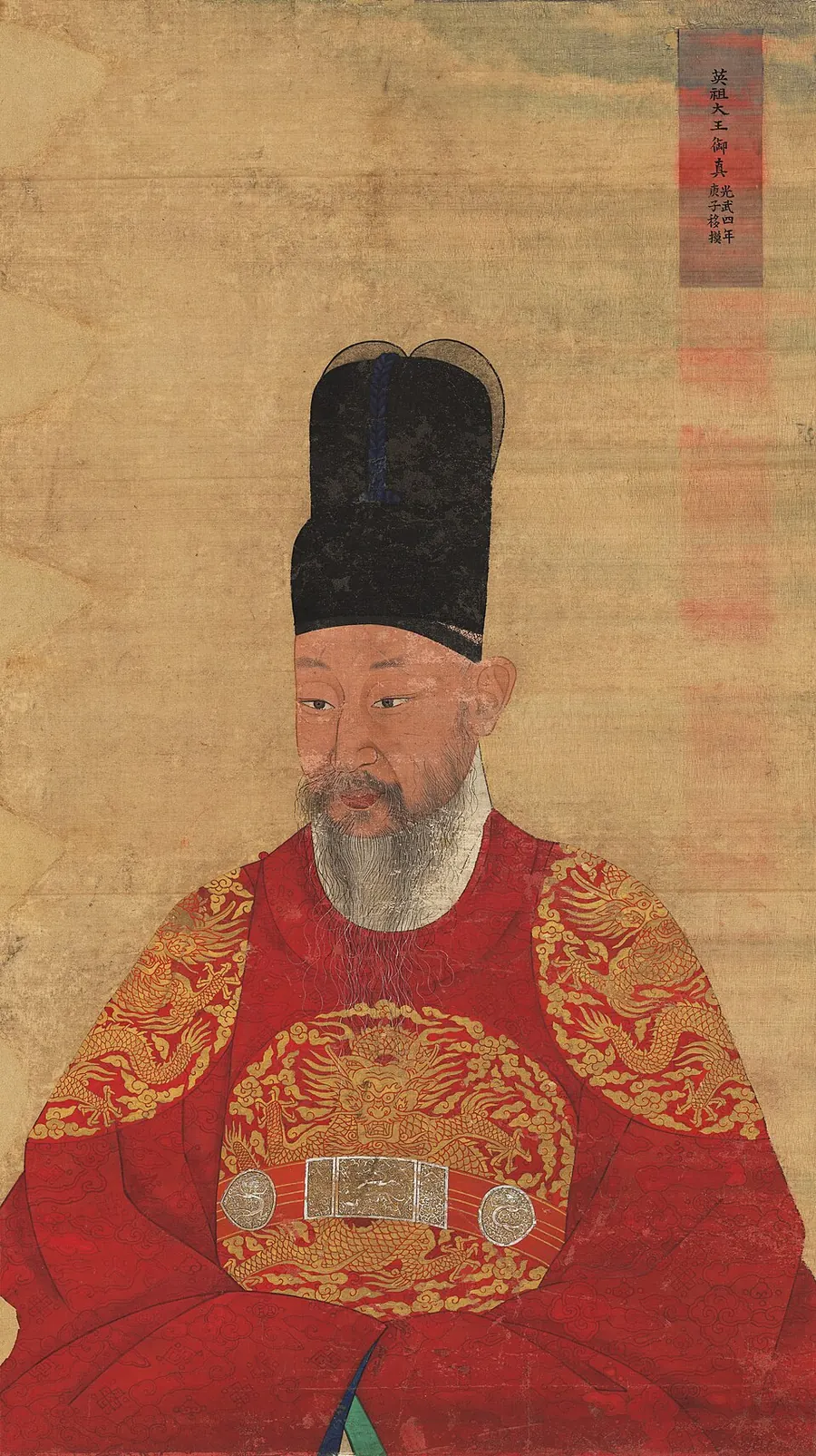
Yeongjo was the 21st king, who became king at age 31 in 1724 and ruled for 52 years, steadying the country with the Tangpyeong policy and the Equal Service Law, but in 1762 he left his son, Crown Prince Sado, to die locked in a rice chest.
What did a king do when his officials split into sides and fought? Yeongjo was the king who stayed on the throne longest in Joseon, ruling for 52 years. He carried out the Tangpyeong policy of using talented people from every faction evenly, and he lightened the people's burden by reducing the military cloth tax. But in 1762 there was the sad event of his son, Crown Prince Sado, being locked in a rice chest and dying, and the throne passed to his grandson, Jeongjo. His story lets us remember both his service in caring for the country and the pain he left his family.
More detail
Two sources checked
In a country where officials split into sides and fought, how did the king keep the balance? Yeongjo was the son of King Sukjong, and his mother, Lady Choe (Suk-bin Choe), was of low status. When his older brother, King Gyeongjong, was often ill and had no son, Yeongjo became the younger brother in line for the throne (wangseje), but because the officials were split into the Noron and Soron and fighting, even his life was threatened. When Gyeongjong died in 1724, he became king at age 31.
Having seen for himself how frightening factional fighting was, Yeongjo carried out the Tangpyeong policy of using people from many factions evenly. After facing Yi In-jwa's rebellion in 1728, he kept the balance by, for example, giving a high post to the Noron and then giving a matching post to the Soron. He was like a teacher who, for two groups squabbling over who gets to stand first in the lunch line, sets the order by taking turns. In 1741 he closed down more than 170 private academies (seowon) and shrines that had become bases for the factions.
He also did many things for the people. In 1750 the Equal Service Law cut the cloth (gunpo) that people paid in place of military service down to one bolt, and he abolished cruel punishments such as the pressing of the knees (apsul). He also revived the sinmungo, the drum for telling the king about wrongs. In 1760, 150,000 residents of Seoul and 50,000 workers spent two months digging out the bed of the Cheonggyecheon stream, easing the sewage problem that had long troubled Seoul. In 1770 he published the Dongguk Munheon Bigo, an encyclopedia gathering the country's institutions and culture, and in 1772 he widened the path for the sons of concubines (seoeol) to hold office.
But in 1762 there was also the tragedy of his only son, Crown Prince Sado, being locked in a rice chest (a large wooden box for holding grain) and dying. Yeongjo died in 1776 at the age of 83, and the throne passed to his grandson, Jeongjo.
Even a king who ruled for a long time could not settle the conflict with his closest family. It means we should remember together his service in caring for the country evenly and the pain he left his family.
Life timeline
- 1724Takes the throne
- 1728Goes through Yi In-jwa's Rebellion (Musin Rebellion)
After putting down the rebellion, he carried out the Tangpyeong policy in earnest. - 1741Abolishes more than 170 academies and shrines
- 1760Dredging of the Cheonggyecheon bed
150,000 Seoul residents and 50,000 workers worked for two months. - 1762Shuts Crown Prince Sado in a rice chest and lets him die
- 1770Publishes the Dongguk Munheon Bigo
- 1772Widens the path to office for seoeol
Related events
- 1721Sinim Literati Purge
- 1728Yi In-jwa's Rebellion (Musinran)
- 1742Tangpyeong Stele and Yeongjo's Tangpyeong Policy
- 1746Compiling the Sokdaejeon, Daejeon Tongpyeon and Daejeon Hoetong
- 1750Enforcement of the Gyunyeokbeop (Equal Service Law)
- 1760Dredging the Cheonggyecheon
- 1762Death of Crown Prince Sado (Imo Hwabyeon)