 BETA
Person
Yi Seung-hun
1864–1930 · Founder of Osan School · Japanese Government-General of Korea
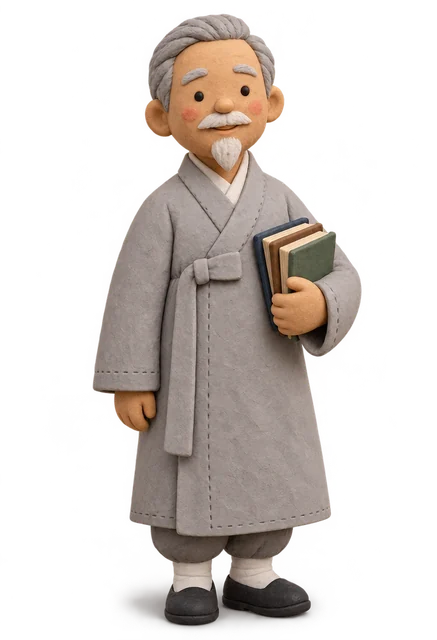
An educator who founded Osan School to train talented people and who stood as one of the 33 national representatives in the March 1st Movement.
Yi Seung-hun was a merchant who made a lot of money selling brassware. In 1907 he founded Osan School in his hometown and trained young people to lead the country. In the March 1st Movement of 1919, he signed the Declaration of Independence as one of the 33 national representatives.
More detail
Two sources checked
Yi Seung-hun was born in 1864 in Jeongju, North Pyeongan Province. He lost his parents young and worked as an errand boy at a brassware shop, then built up the brassware trade and a factory on a large scale and became a famous merchant.
In 1907 he heard a speech by Ahn Chang-ho and decided to work for the country. He joined the secret society Sinminhoe and founded Gangmyeong Uisuk and Osan School in his hometown to teach young people new learning.
In 1911 he was arrested, caught up in the 105-Man Incident that the Japanese colonial authorities fabricated, and in 1912 he was sentenced to ten years in prison but was released in 1915. In prison he read the Bible and his Christian faith deepened.
During the March 1st Movement in 1919, he was one of the 33 national representatives as a Christian representative and signed the Declaration of Independence. He was imprisoned again and released in 1922, and afterward took part in the movement to found a university run by the people and briefly served as president of the Dong-A Ilbo in 1924.
When he died in 1930 he left his bones to be used as a study specimen for students, but the Japanese colonial authorities prevented this and he was buried in his hometown. In 1962 the government awarded him the Order of Merit for National Foundation, Republic of Korea Medal.
Life timeline
- 1907Founds Osan School
- 1915Is released from prison in the 105-Man Incident
- 1926Osan School receives approval as a higher common school