 BETA
Person
Yun Bong-gil
1908–1932 · Independence activist · Provisional Government of the Republic of Korea
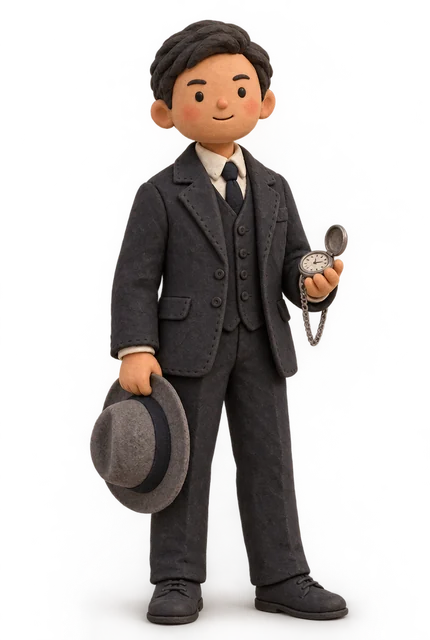
He was an independence activist who threw a bomb at a Japanese military ceremony in Hongkou Park in Shanghai on April 29, 1932. A young man who had taught farmers in his hometown, his deed led the Chinese government to begin helping the Provisional Government.
How did a young man who taught farmers to read become the hero of the Hongkou Park attack? Yun Bong-gil taught farmers at a night school, then went to Shanghai, China, where he met Kim Gu and joined the Korean Patriotic Organization. In 1932 he threw a bomb at a Japanese ceremony in Hongkou Park, and later that year he lost his life in Japan. The Chinese government, moved by his courage, came to help the Provisional Government.
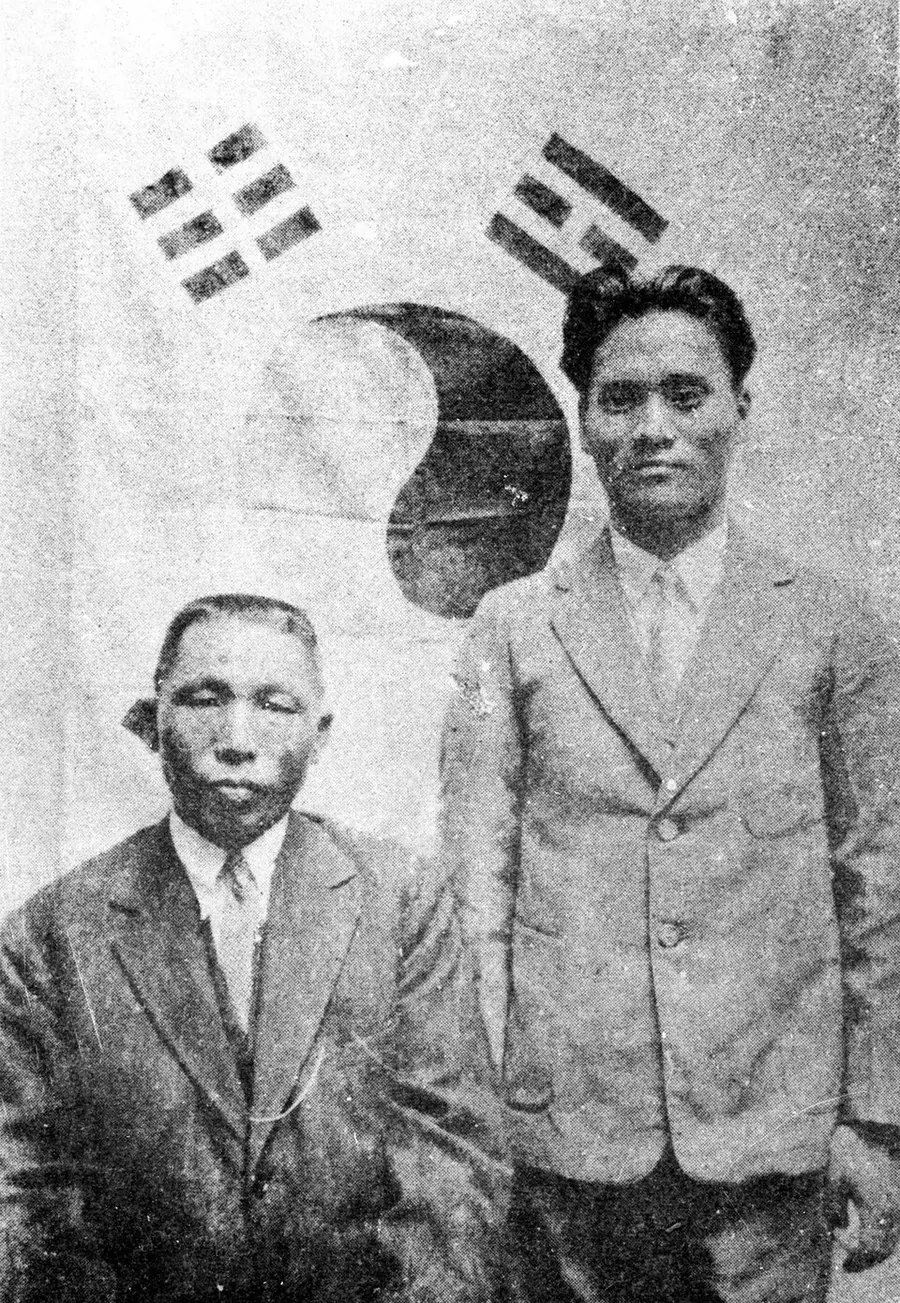
More detail
Two sources checked
How did a young man who taught farmers to read become the hero of the bomb attack in Hongkou Park in Shanghai? Yun Bong-gil was an independence activist born in 1908 in Yesan, South Chungcheong Province.
Having lived through the March 1st Movement as a child, he refused Japanese-style education and quit common school. Then he continued his studies at a village school (seodang). Perhaps, in his eyes, learning was not something you did to pass exams but a strength to use for your country and your neighbors.
From his late teens he opened a night school in his hometown and taught farmers who could not read. He wrote a textbook himself, the Nongmin Dokbon (a reader for farmers), and organized groups such as the Woljinhoe. It was like a class president who gathers the neighborhood friends after school and tutors them with a textbook he made himself. Then in 1930 he left a note saying he would not return until he had achieved his goal, and went off to China.
He passed through Qingdao and arrived in Shanghai in 1931, where he went to see Kim Gu, and in April 1932 he joined the Korean Patriotic Organization. Then on April 29, he threw a bomb at the ceremony in Hongkou Park that celebrated a Japanese military victory and the Japanese emperor's birthday. Japanese commanders and high officials were killed or wounded. Arrested on the spot, he was taken to Japan and shot in Kanazawa on December 19, 1932.
His deed deeply moved the Chinese people, and afterward the Chinese government began to actively help the Provisional Government of the Republic of Korea. The courage of a young man who taught reading moved even the hearts of people in another country. It is a story that makes us think about what we can do today for our country and our neighbors.
Life timeline
- 1930Goes into exile in China
- 1932Joins the Korean Patriotic Organization
Related events
- 1931Korean Patriotic Organization and the Acts of Yi Bong-chang and Yun Bong-gil
- 1932Yun Bong-gil's Righteous Act and China's Support for the Korean Independence Movement