 BETA
Person
Yun Dong-ju
1917–1945 · National poet · Japanese Government-General of Korea
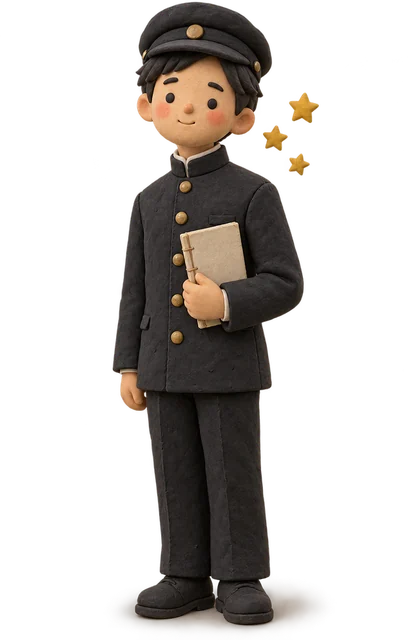
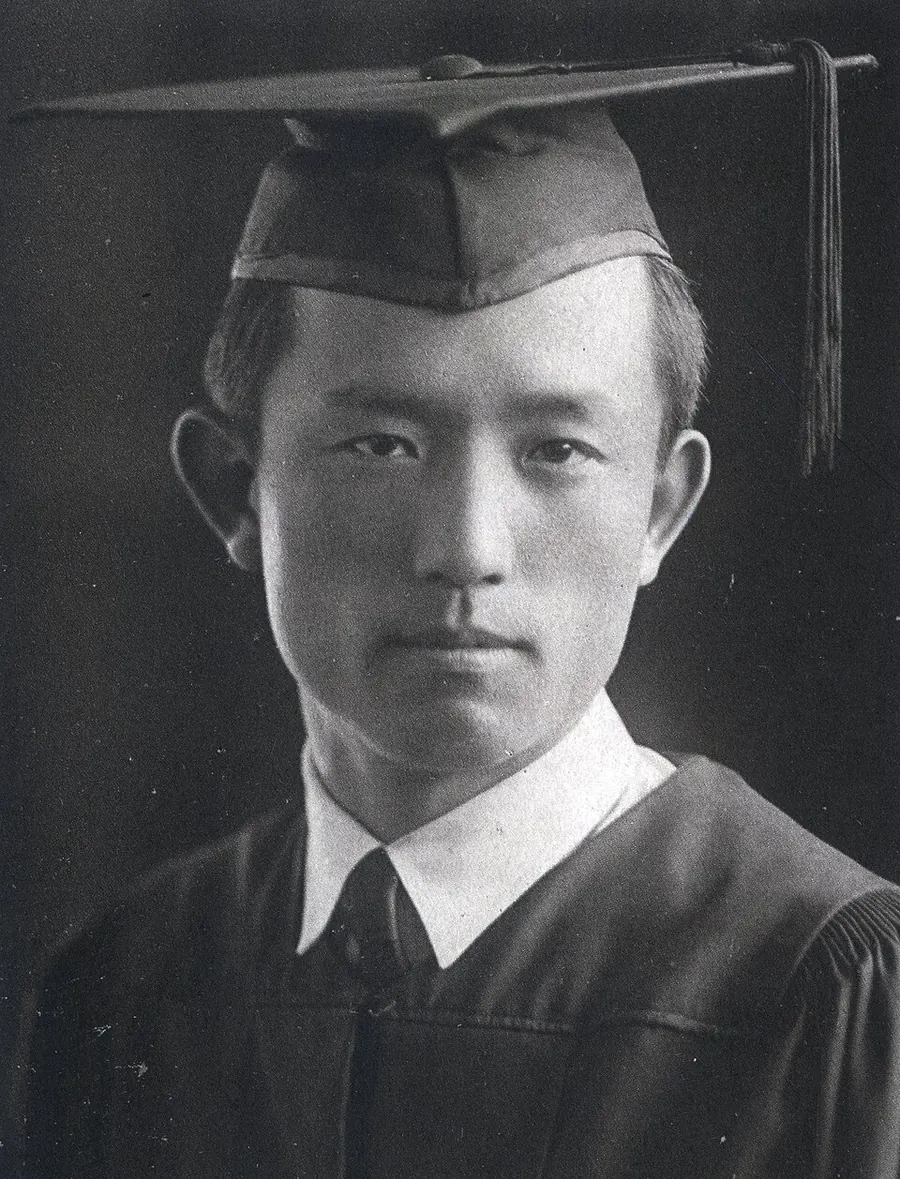
A poet born in 1917 in Bukgando who was arrested on suspicion of independence activities while studying in Japan and died in Fukuoka Prison in February 1945. His poems were published as a collection after his death and are still loved today.
How could a poet sing of a life without shame even in a dark age? Yun Dong-ju was born in Bukgando, wrote poems at Yeonhui College, and then went to study in Japan. In 1943 he was arrested on suspicion of independence activities and put in prison, and in 1945, a few months before liberation, he died. But thanks to the collection Sky, Wind, Stars and Poems, gathered by his friends and family, his poems still remain with us.
More detail
Two sources checked
In a dark age when the country had been taken away, how could a poet sing of a life without shame? Yun Dong-ju was born in 1917 in the Korean village of Myeongdong-chon in Bukgando.
He grew up with his cousin Song Mong-gyu, who was born in the same year, and he wrote poems from his middle school days. After attending Soongsil Middle School in Pyongyang and Gwangmyeong School in Yongjeong, he studied at Yeonhui College in Seoul and wrote many poems there. Around his graduation in 1941 he tried to publish his poems as a collection called Sky, Wind, Stars and Poems. But Japanese surveillance was heavy, and he could not do it. Perhaps he felt deep regret, holding his finished notebook close to his chest.
He went to Japan in 1942 and studied at Rikkyo University and then at Doshisha University in Kyoto. But in July 1943, along with Song Mong-gyu, he was arrested on suspicion of independence activities and sentenced to two years in prison. A university student who had been showing his poems to friends was locked up overnight.
Held in Fukuoka Prison, he died on February 16, 1945, six months before liberation, at the age of twenty-seven. His age is counted the international way. He saw neither his own book come out nor liberation arrive.
But the poems survived. In 1948 his friends and family gathered his poems and published them as Sky, Wind, Stars and Poems, and 'Prologue' and 'Counting the Stars at Night' are still loved by many. If on a hard day we find comfort in a single line of poetry, it means the heart he left behind is still alive.
Life timeline
- 1941Graduates from Yeonhui College
- 1942Goes to Japan to study
- 1943Arrested in Japan on suspicion of independence activity