 BETA
Person
Amália Rodrigues
1920–1999 · Fado singer · Portuguese Dictatorship (Estado Novo)
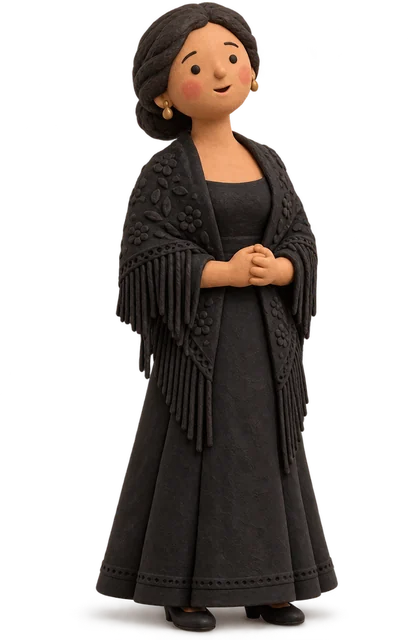
The "Queen of Fado," who made Portugal's sad song, fado, known to the world.
Amália was a singer called the "Queen of Fado." Fado is a song of Lisbon that sings of longing to the sound of a guitar. She sang fado in many countries and made it widely known.
More detail
Two sources checked
Amalia Rodrigues was born in 1920 into a poor family in Lisbon. As a child she was raised by her grandmother and sang while selling fruit on the Lisbon docks.
She began singing around 1939 at a fado house in Lisbon and soon won great popularity. Fado is Lisbon's song, sung to guitar accompaniment, about longing and fate.
In the 1950s she appeared on stages around the world, including the Olympia theater in Paris, France, and also in films. 'Barco Negro,' which she sang in a 1955 film, became her signature song. By setting poems by well-known poets to music, she raised fado to a higher art.
During the dictatorship she went through both criticism that she was being used for the regime's publicity and, on the other hand, the censorship of some of her songs. When she died on 6 October 1999, the country mourned for three days, and in 2001 she became the first woman to be interred in the National Pantheon.
Life timeline
- 1955Sang 'Barco Negro' in a film
- 2001Interred in the National Pantheon