 BETA
Person
Boris Pasternak
1890–1960 · Poet and novelist · Soviet Union (Union of Soviet Socialist Republics)
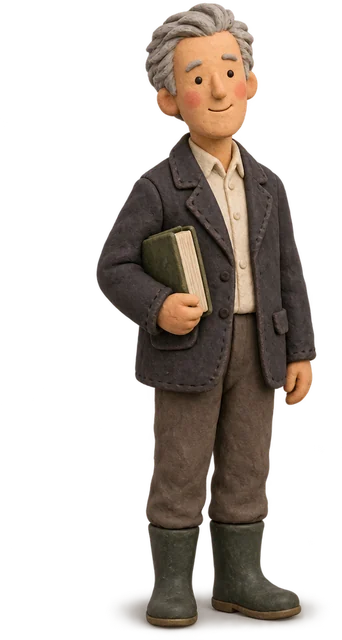
A poet who wrote the novel Doctor Zhivago, who won the Nobel Prize in Literature in 1958 but had to refuse it under pressure from the state.
Pasternak was a poet who wrote the novel Doctor Zhivago. He was chosen for the Nobel Prize in Literature in 1958. But the state opposed it, so he could not accept the prize.
More detail
Two sources checked
Boris Pasternak was born in Moscow in 1890 to a painter father and a pianist mother. At first he dreamed of becoming a musician and also studied philosophy in Germany, but he became a poet and in the 1920s was one of Russia's leading poets.
In Stalin's time it was hard to publish his own poems freely, so he lived by translating the works of Shakespeare and Goethe into Russian. During this time he wrote, over nearly ten years, the novel Doctor Zhivago, which portrays the love and life of a doctor amid revolution and civil war.
The book could not be published in the Soviet Union, and it was first published in Italy in 1957 and spread through the world. In 1958 he was chosen as the winner of the Nobel Prize in Literature, but when the government and the Writers' Union branded him a 'traitor' and threatened to expel him from the country, he declined the prize.
He died in 1960 in Peredelkino near Moscow. Doctor Zhivago was published in the Soviet Union only in 1988, and in 1989 his son received the medal on his behalf in Stockholm.
Life timeline
- 1957Doctor Zhivago published in Italy
- 1958Chosen for the Nobel Prize in Literature but declined it