 BETA
Person
Zhukov
1896–1974 · Marshal of the Soviet Union · Soviet Union (Union of Soviet Socialist Republics)
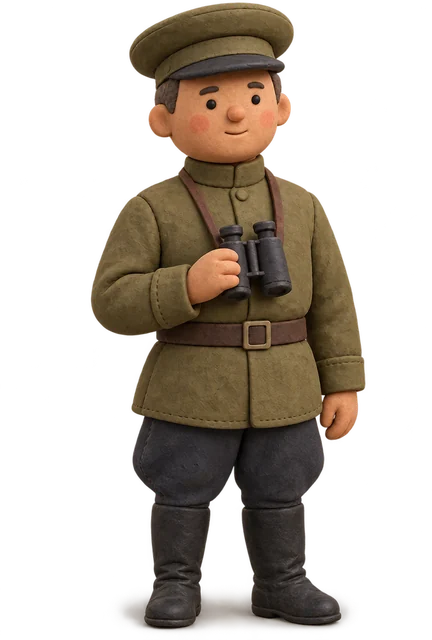
The leading general of the German-Soviet War, who led the battles for Moscow, Leningrad, Stalingrad and Berlin.
Zhukov was the most famous Soviet general in the war against Germany. He defended Moscow and planned the battle of Stalingrad. In 1945 he took Berlin.
More detail
Two sources checked
Georgy Zhukov was born in 1896 in a poor village in Kaluga province, southwest of Moscow. As a child he worked as an apprentice in a fur workshop, and in the First World War he fought as a cavalryman and received a medal. During the civil war he joined the Red Army.
In 1939 he became known by decisively defeating the Japanese army at Khalkhin Gol (Nomonhan) in Mongolia, and he rose quickly in an army short of commanders because of the Great Purge. In 1941 he served as chief of the general staff, and when Germany invaded he took charge of the defense of Leningrad and then commanded the defense of Moscow, succeeding with the counterattack in December.
He took part in planning the counterattack at Stalingrad and the Battle of Kursk, and after taking Berlin in 1945 he received Germany's surrender document. In June he reviewed the Victory Parade in Red Square riding a white horse.
When his popularity grew too high, Stalin sent him to the provinces. After Stalin died he became defense minister but was removed again in 1957, and he died in 1974. He received the title Hero of the Soviet Union four times.
Life timeline
- 1939Defeated the Japanese army at Khalkhin Gol
- 1943Became a Marshal of the Soviet Union
- 1945Took Berlin and reviewed the Victory Parade
He received the German surrender and reviewed the Victory Parade in Red Square. - 1955Became defense minister
Related events
- 1941Battle of Moscow
- 1941German Invasion of the Soviet Union and the Start of the Great Patriotic War
- 1941Siege of Leningrad
- 1942Battle of Stalingrad
- 1943Battle of Kursk
- 1945Capture of Berlin and Victory Day