 BETA
EventJoseon Period
Completion and Publication of the Donguibogam
1610–1613 · Joseon · Naeuiwon (the royal medical office) in Hanyang
Today: Jongno-gu, Seoul, Korea
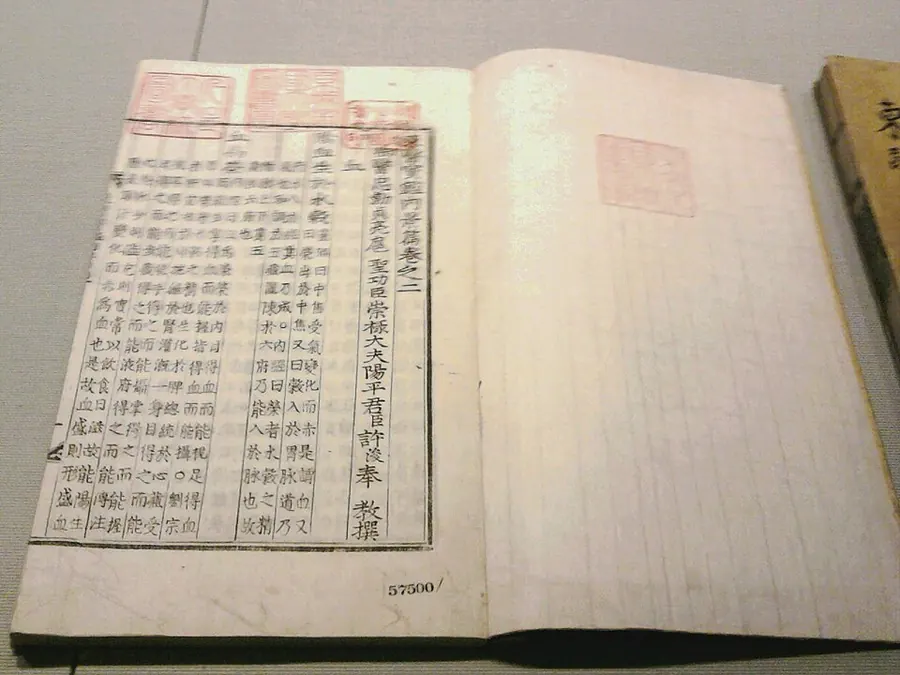
The Donguibogam, a medical encyclopedia that Heo Jun began in 1596 on the order of Joseon's King Seonjo, passed through the hardships of the Imjin and Jeongyu wars and of exile, was completed in 25 volumes in 1610, and was printed with movable type at the Naeuiwon (the royal medical office) in 1613. It became the standard textbook of Joseon medicine and was inscribed on the UNESCO Memory of the World Register in 2009.
What happened
How was a medical book that ordinary people could easily use made? With the Imjin War and epidemics, there were many sick people, but the medical books disagreed with one another and caused confusion. Heo Jun, on King Seonjo's order, kept writing despite the war stopping the work and even being sent into exile, and completed the Donguibogam in 25 volumes in 1610. He added Hangul names to medicinal herbs so ordinary people could find them easily. The book was read in China and Japan too and became UNESCO Memory of the World. Effort carried on with persistence helped people for a very long time.
More detail
Two sources checked
Why it happened
How was a book for sick people born? The Imjin War left many people hurt and epidemics spread, yet doctors and medicines were far too few. There were countless medical books brought in from China, but they said different things, so it was confusing which to follow. It is like having far too many study guides that explain things differently, so you don't know which to trust.
So in 1596 King Seonjo ordered Heo Jun, the royal physician he trusted most, to make a new medical book that was easy to use and reliable. Heo Jun may have felt that this was both a royal command and a task for the sake of sick people.
What happened
Heo Jun began the work with Jeong Jak, Yang Ye-su, and others, and set three principles. First, put caring for the body well before curing illness. Second, pick out only the essentials from countless prescriptions. Third, write Korean names in Hangul for medicinal herbs so the book could be used even in the countryside. It was like boiling many books down to a set of key notes. But in 1597 the Jeongyu War broke out, the people working together scattered, and the work stopped.
In 1601 King Seonjo gave Heo Jun more than 500 medical books from the palace and had him carry on alone. Then another trial came. In 1608 Heo Jun was sent into exile for being held responsible for King Seonjo's death. Even then he kept writing, and in the 8th month of 1610 he finished it in 25 volumes and presented it to King Gwanghaegun. In 1613 it was printed with movable type at the Naeuiwon, the palace medical office.
What came of it
Donguibogam means 'a precious mirror of Eastern (Joseon) medicine.' It was organized into the inside of the body (naegyeong), the outside of the body (oehyeong), various illnesses (japbyeong), medicines (tangaek), and acupuncture and moxibustion (chimgu), and became the standard textbook of Joseon medicine.
From the 18th century on it was reprinted and read several times in China and Japan. In 2009 it became UNESCO Memory of the World. One physician's persistence in writing without stopping, through hardships like war and exile, remained as wisdom for caring for people's health hundreds of years later.
People in this event
- Heo Jun — Even while in exile, he kept writing and completed the Donguibogam.
- Gwanghaegun — He received the finished Donguibogam as an offering.