 BETA
Person
Kim Gu
1876–1949 · Provisional Government leader · Provisional Government of the Republic of Korea
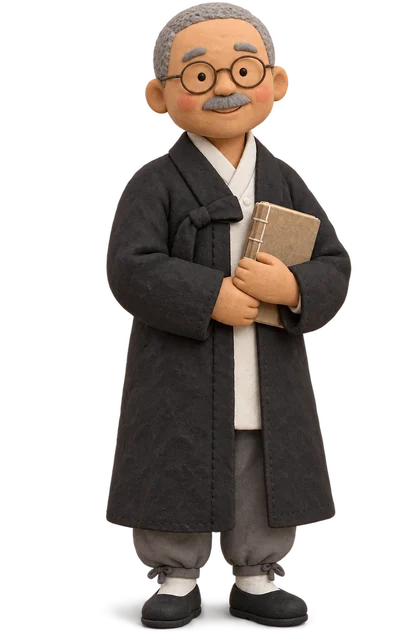
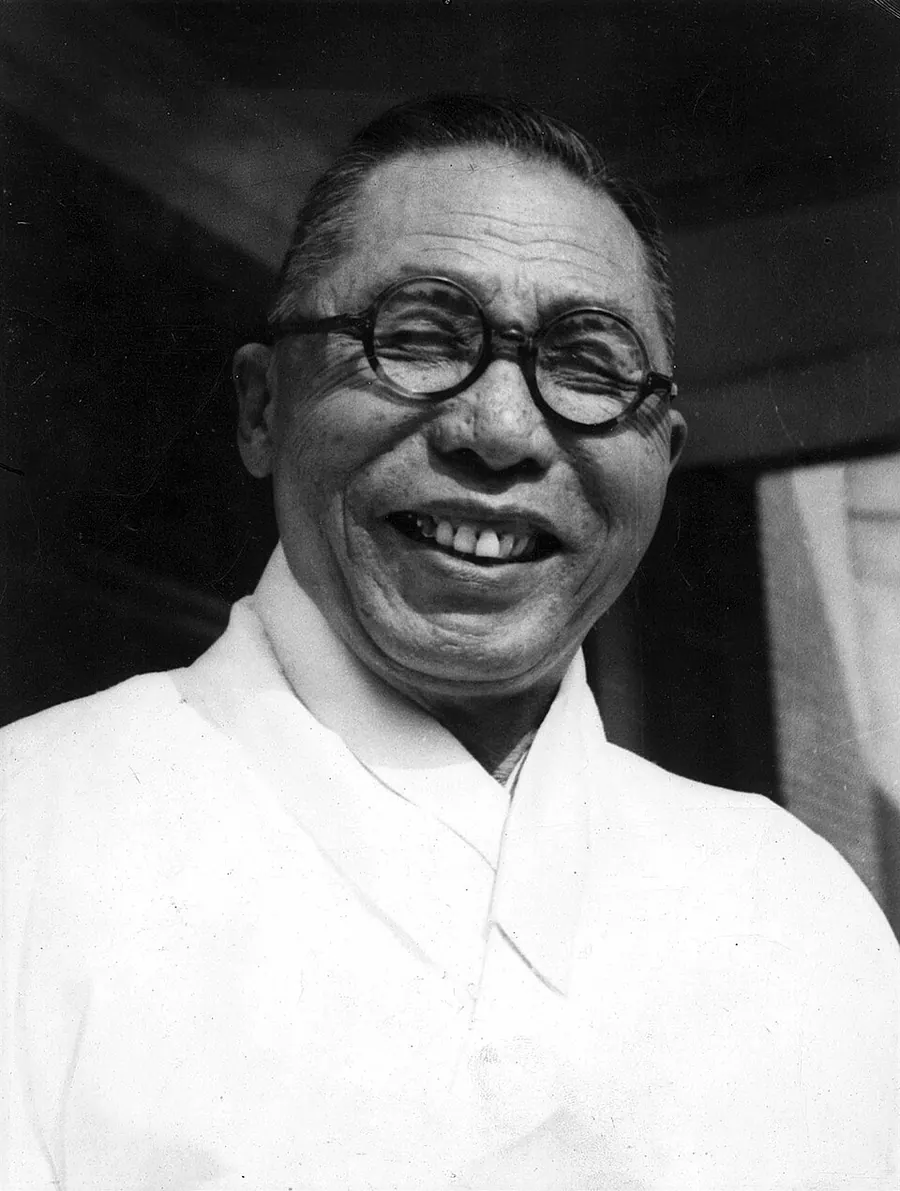
Born in Haeju, Hwanghae Province, in 1876, he kept the Provisional Government alive to the end and, through the Korean Patriotic Organization, led the heroic acts of Yi Bong-chang and Yun Bong-gil. After liberation he worked to build one country uniting North and South, and was assassinated in 1949. He is the great elder of the independence movement.
There was a man who kept fighting for independence even after being jailed and sentenced to death. Kim Gu kept the Provisional Government alive in Shanghai to the end, created the Korean Patriotic Organization, and led the heroic acts of Yi Bong-chang and Yun Bong-gil. After liberation he tried to build one country uniting North and South, but he lost his life in 1949. His memoir, the Baekbeom Ilji, still tells readers today about the dream of a united country.
More detail
Two sources checked
What must it have felt like for someone who had been sentenced to death to go back to the independence movement? Kim Gu was born in 1876 in Haeju, Hwanghae Province. His childhood name was Kim Chang-su. In his teens he joined Donghak, and in 1894 he fought as a Donghak peasant soldier.
In 1896, angry about the murder of Empress Myeongseong, he killed a Japanese man at Chihapo in Hwanghae Province and was sentenced to death. But the execution was stopped just before it happened, and later he broke out of prison. After that he founded schools to teach children and worked in the Sinminhoe (New People's Association), and in 1911 he was arrested again and spent several years in prison. To him, winning back the country may have been something that could not stop even when prison doors closed.
After the March 1st Movement in 1919 he went to Shanghai and began work as police chief of the Provisional Government of the Republic of Korea. He stayed by its side even in hard times. He was like the person who stays in the group chat to the very end and keeps the room going even after everyone else has left. In 1931 he created the Korean Patriotic Organization and led the heroic acts of Yi Bong-chang and Yun Bong-gil.
In 1940 he became chairman of the Provisional Government, led the Korean Liberation Army, and prepared to fight Japan. After returning home in November 1945, he argued for building a government in which North and South were one, and in 1948 he attended the North-South talks held in Pyongyang.
But on June 26, 1949, he was assassinated by Ahn Du-hui at Gyeonggyojang in Seoul. His autobiography, the Baekbeom Ilji, is still widely read today. His wish to make the country one comes back to mind every time people talk about unification and peace.
Life timeline
- 1919Joins the Provisional Government in Shanghai
- 1940Becomes chairman of the Provisional Government
Related events
- 1919The Provisional Government of the Republic of Korea Is Set Up in Shanghai
- 1919Founding of the Provisional Government of the Republic of Korea
- 1923The National Representatives Conference
- 1930Founding of the Korean Independence Party
- 1931Korean Patriotic Organization and the Acts of Yi Bong-chang and Yun Bong-gil
- 1932Yun Bong-gil's Righteous Act and China's Support for the Korean Independence Movement
- 1932Lee Bong-chang's Attack (Sakuradamon, Tokyo)
- 1938Chongqing as the Wartime Capital and the Founding of the Korean Liberation Army
- 1940Founding of the Korean Liberation Army
- 1941The National Founding Program of the Republic of Korea and the Declaration of War on Japan
- 1945Moscow Conference of Foreign Ministers and the Trusteeship Conflict
- 1948May 10 General Election, Founding of the Government of the Republic of Korea, and Founding of the North Korean Regime
- 1948North-South Negotiations (Joint Conference of North and South Korean Leaders)